What the RBA missed about this cycle, and why small business paid the price
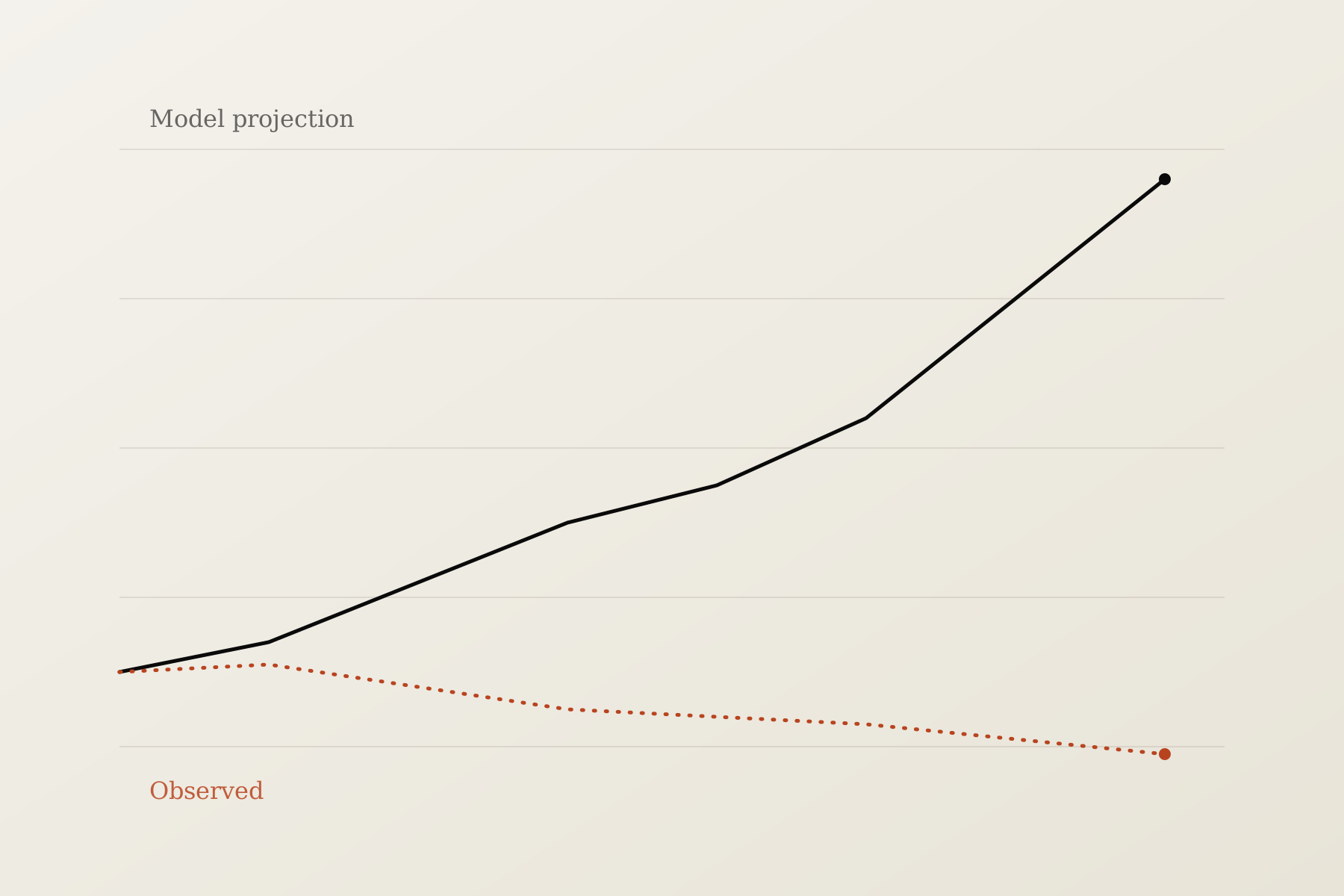
The Reserve Bank's models assume a small business looks broadly like a listed company. It doesn't. An analysis of where the gap was biggest, and who bore the cost.
Category
The rates, funding markets, and macro signals small businesses actually feel.
The Reserve Bank's models assume a small business looks broadly like a listed company. It doesn't. An analysis of where the gap was biggest, and who bore the cost.
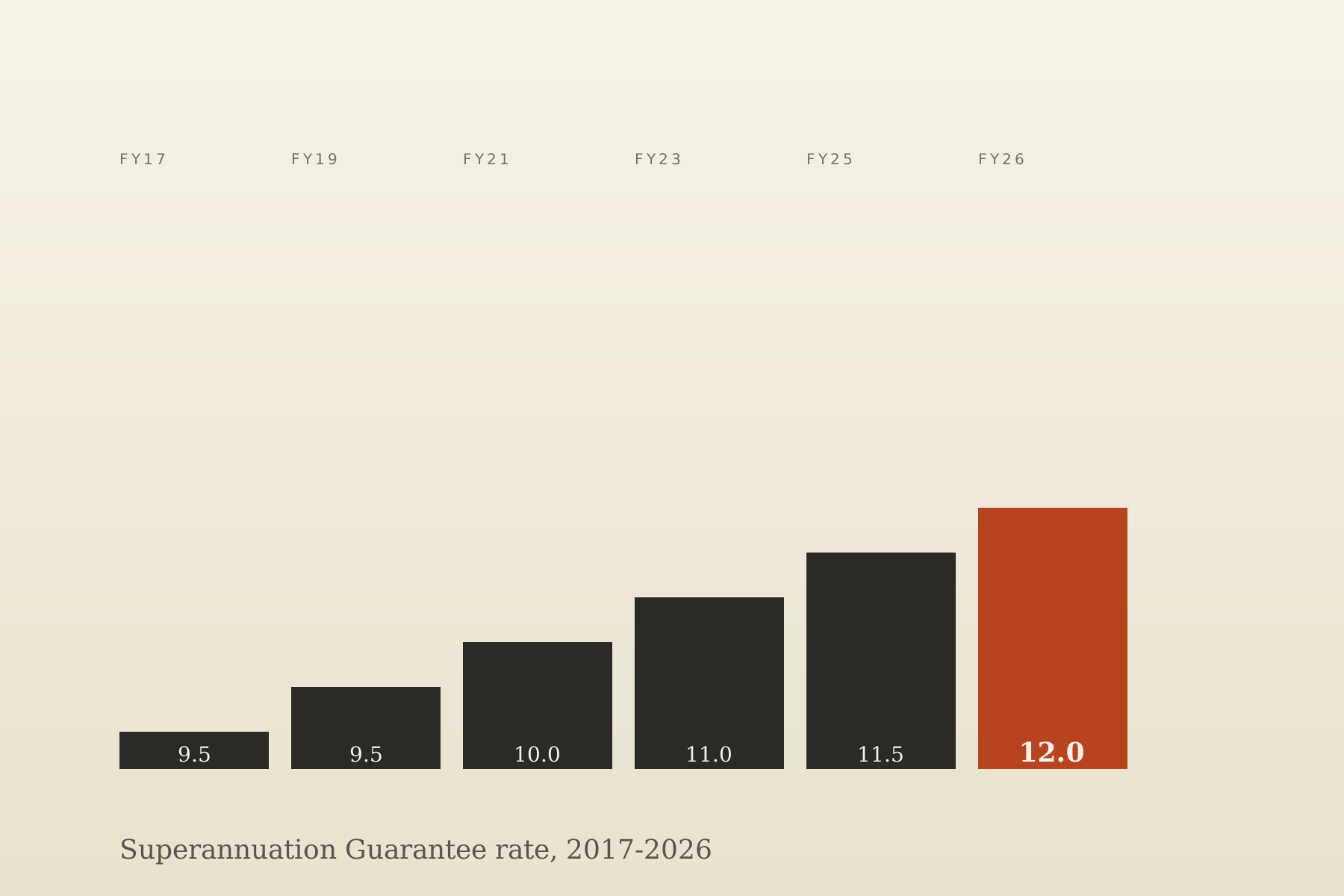
Super went to 12%. The award floor went to $24.95. The question for small employers was never whether to absorb either one of those in isolation. It was both, on the same day, while payday super looms in the next window.
The ATO's Director Penalty Notice programme has moved from a dormant instrument to a core collection tool. For directors whose companies carry pandemic-era tax debt, the consequences have stopped being corporate.
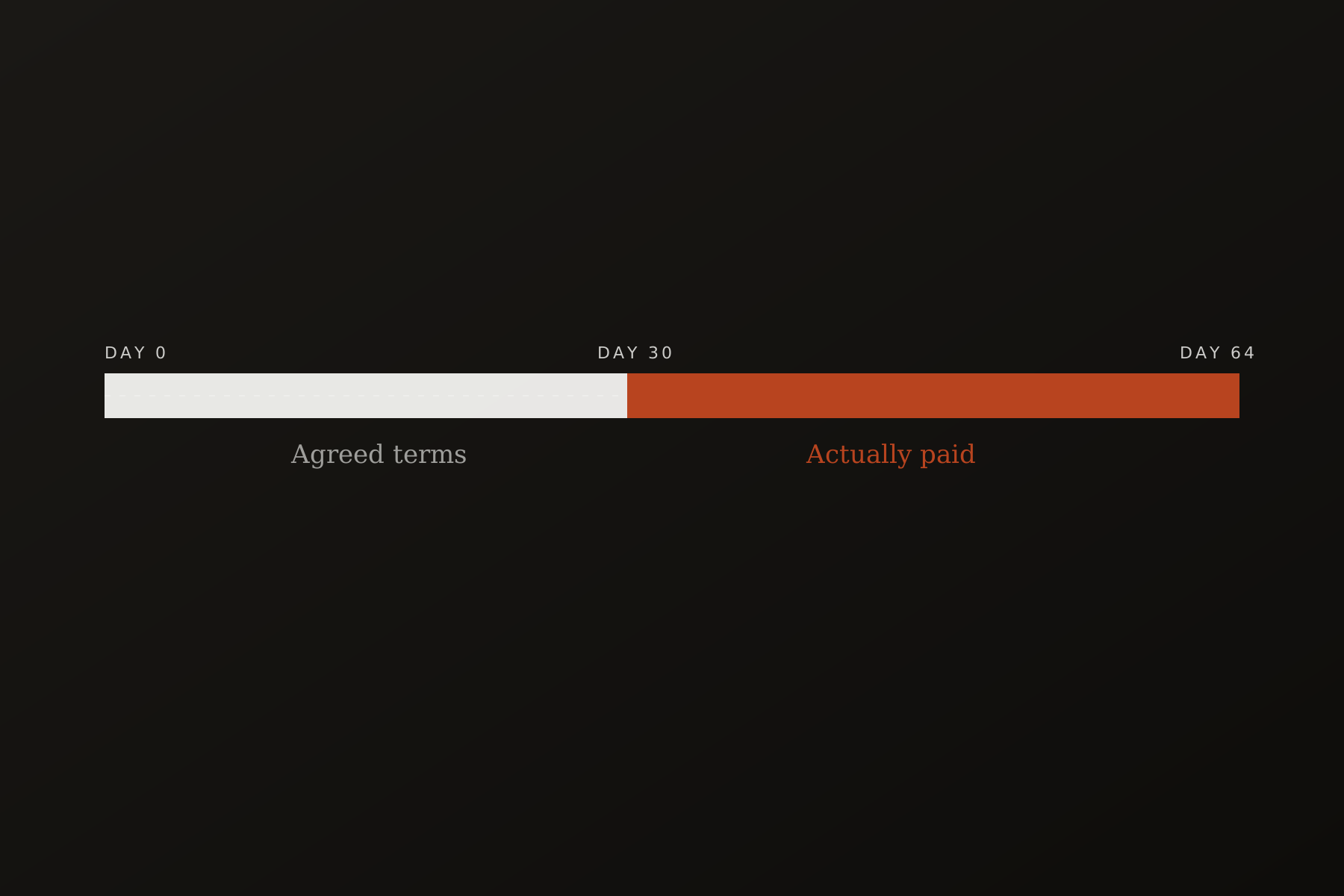
Large-company averages held through 2025. The tail did not. A new regulator-published list names the fastest payers, and by implication everyone else.
The quality of a small business's bookkeeping has never mattered less in conversation and never mattered more in practice. Three reasons that gap closes in 2026.
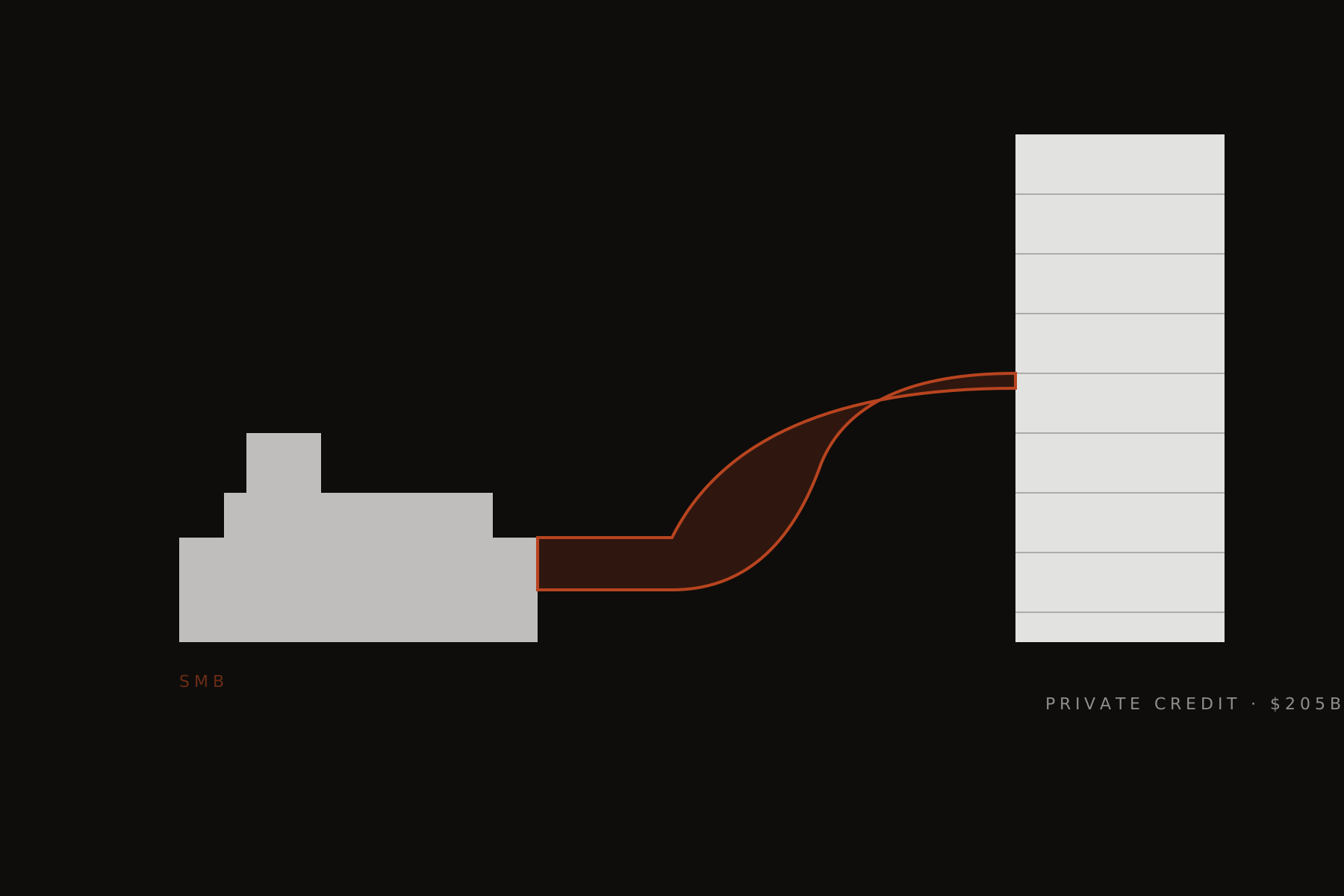
For owner-operators shut out by the banks, non-bank SMB lending is faster, friendlier and two to four times the effective rate. The question for 2026 is whether the convenience is worth the compound.