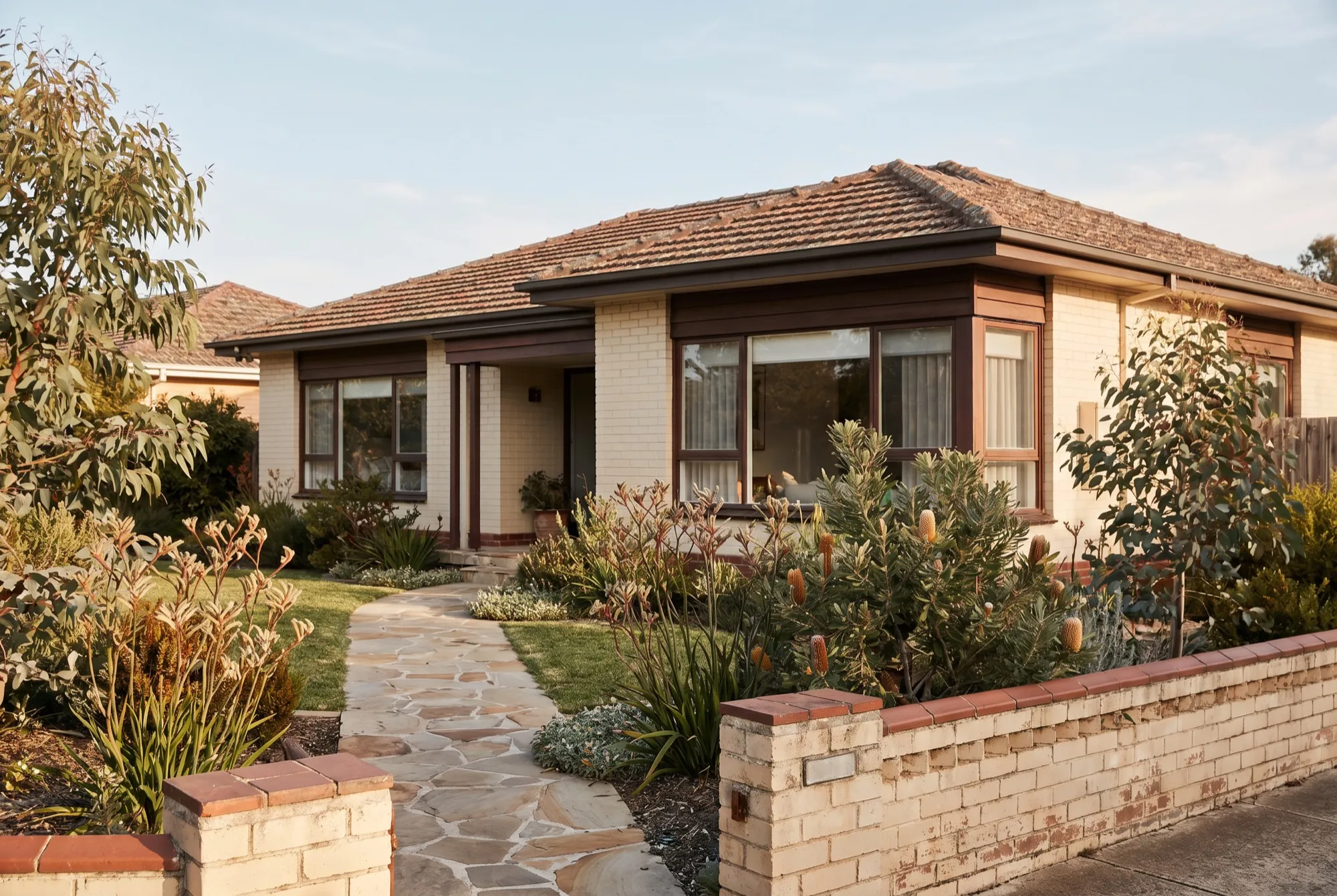
A building and pest inspection is a pre-purchase check of a property’s structural condition and a separate look for pest problems, especially termites, which chew through homes across much of Australia. The two are usually booked together and, last checked June 2026, cost somewhere around $300 to $600 combined for a standard house, with more to pay for large or rural properties.
It is one of the cheapest forms of insurance you will ever buy. For the price of a decent weekend away, a qualified pair of eyes crawls under the floor, climbs into the roof and tells you whether the house you are about to spend a fortune on is sound, or quietly falling apart.
What a building and pest inspection actually is
It is really two inspections wearing one invoice.
The building inspection looks at the physical condition of the property: the structure, the visible defects, and anything that might cost you money down the track. The pest inspection looks for timber pests, the headline act being termites, along with borers and wood-decaying fungi. In a fair chunk of Australia, termites are not a rare misfortune. They are a when-not-if proposition, and a single colony can do serious structural damage before anyone notices.
You can sometimes book the two separately, but most buyers bundle them. One visit, one report or two, and a clearer picture of what you are signing up for.
What gets checked
A standard inspection covers the readily accessible parts of the property. Inspectors generally will not lift carpets, cut into walls or move heavy furniture, so a report describes what could reasonably be seen on the day, not what is hidden behind the plaster.
Here is a rough guide to what a combined inspection tends to cover.
| Area | What the inspector is looking for |
|---|---|
| Structure and footings | Cracking, structural movement, signs the building is shifting or settling |
| Roof and roof void | Leaks, sagging, damaged tiles or sheeting, poor workmanship |
| Subfloor and foundations | Moisture, drainage problems, ventilation, rot |
| Walls and ceilings | Cracks, water stains, dampness, previous patch-up jobs |
| Wet areas | Bathroom and laundry waterproofing, signs of leaks |
| Timber pests | Active or past termite activity, borers, decay, conducive conditions |
| Exterior and site | Decks, retaining walls, fences, drainage falling the wrong way |
What it is not is a guarantee. An inspection is a visual snapshot of accessible areas on a particular day. It will not predict every future problem, and it cannot see through solid surfaces. Treat it as a strong indicator, not a crystal ball.
Why it matters, and why timing is everything
A clean report buys peace of mind. A report full of red flags buys you something almost as useful: leverage.
If the inspector finds a cracked slab or a live termite nest in the bearers, you have real, documented reasons to renegotiate the price, ask the seller to fix the problem, or walk away entirely. People have saved tens of thousands of dollars on a purchase, or dodged a money pit altogether, on the strength of one report.
But the value depends entirely on when you do it, and that comes down to how you are buying.
Private treaty sales
In a normal private sale, you can make your offer subject to a satisfactory building and pest inspection. That gives you a window after the contract is signed to get the inspection done. If something nasty turns up, you can usually negotiate or pull out under that condition. This is the comfortable path, and it is why lining up the right inspections early matters: you want your inspector ready to go the moment your offer is accepted, not scrambling a week later. (Building and pest is one part of the puzzle. Our guide to buying a house walks through where it fits in the wider process.)
Auctions
Auctions are where people come unstuck. When the hammer falls at auction, the sale is unconditional. There is no cooling-off period and no inspection clause to fall back on. You buy the house exactly as it stands, termites and all.
So at auction, the order reverses. You must get your building and pest inspection done before you bid, not after. That means paying for an inspection on a property you might not win, which feels like money down the drain when you get outbid. It is not. It is the cost of bidding with your eyes open, and it is far cheaper than discovering a structural problem after you legally own it.
At a private sale you can inspect after you offer. At auction you inspect before you bid, or you bid blind.
If you are heading to auction, get across the rules first. Our guide to cooling-off periods by state covers how the unconditional nature of auction day changes everything about your due diligence.
How to act on the report
Getting the report is step one. Reading it properly is step two, and most people skim it for the word “termite” and stop there.
A few things to keep in mind once it lands.
- Read past the summary. The headline might say “no major defects,” but the detail can flag minor issues that add up. Read the whole thing.
- Separate the serious from the cosmetic. A hairline crack in render is not the same as structural movement in a footing. Work out what is urgent, what is routine maintenance, and what is just the house being a house.
- Get quotes for anything significant. If the report flags a real problem, a repair quote turns a vague worry into a dollar figure you can negotiate with.
- Use it at the table. In a private sale, a problem found is a price to be reduced or a repair to be requested. Do not sit on that leverage.
- Ask the inspector questions. A good one will happily talk you through what they found and how worried you should be. The report is the start of the conversation, not the end.
Choosing an inspector
Not all inspections are equal, and the cheapest quote is not always the bargain it looks like.
Use someone licensed and, critically, insured, including professional indemnity cover. Building and pest qualifications and licensing requirements vary by state and territory, so check what applies where you are buying. Ask for a sample report before you commit. A thorough inspector produces a detailed, photo-heavy document that explains issues in plain terms. A box-ticker hands you two pages and a shrug.
It is worth remembering that the inspector works for you, not the seller or the agent. Their job is to find problems, and a good one will not sugar-coat them.
How it fits the bigger picture
A building and pest inspection sits alongside your other pre-purchase checks rather than replacing them. Your conveyancer or solicitor handles the contract and title side, which is a separate and equally important layer of protection. If you are not sure how those pieces connect, our overview of the whole buying process in Australia maps out where each step belongs.
Think of the inspection as the bricks-and-mortar check and the legal review as the paperwork check. You want both before you commit hundreds of thousands of dollars.
The bottom line
A building and pest inspection is a small, sensible spend that punches well above its weight. For roughly $300 to $600 on a standard home, last checked June 2026 and likely more for larger or rural properties, you find out whether the place is structurally sound and free of active termites before you are locked in. In a private sale, make your offer conditional on it. At auction, get it done before you raise your hand, because once the hammer drops there is no going back. Either way, use a licensed and insured inspector, read the whole report, and treat any problems found as a chance to renegotiate rather than a reason to panic.
This article is general information only and does not take your personal circumstances into account. Costs, rules and licensing vary by state and over time, so confirm the current details for your situation before you act.