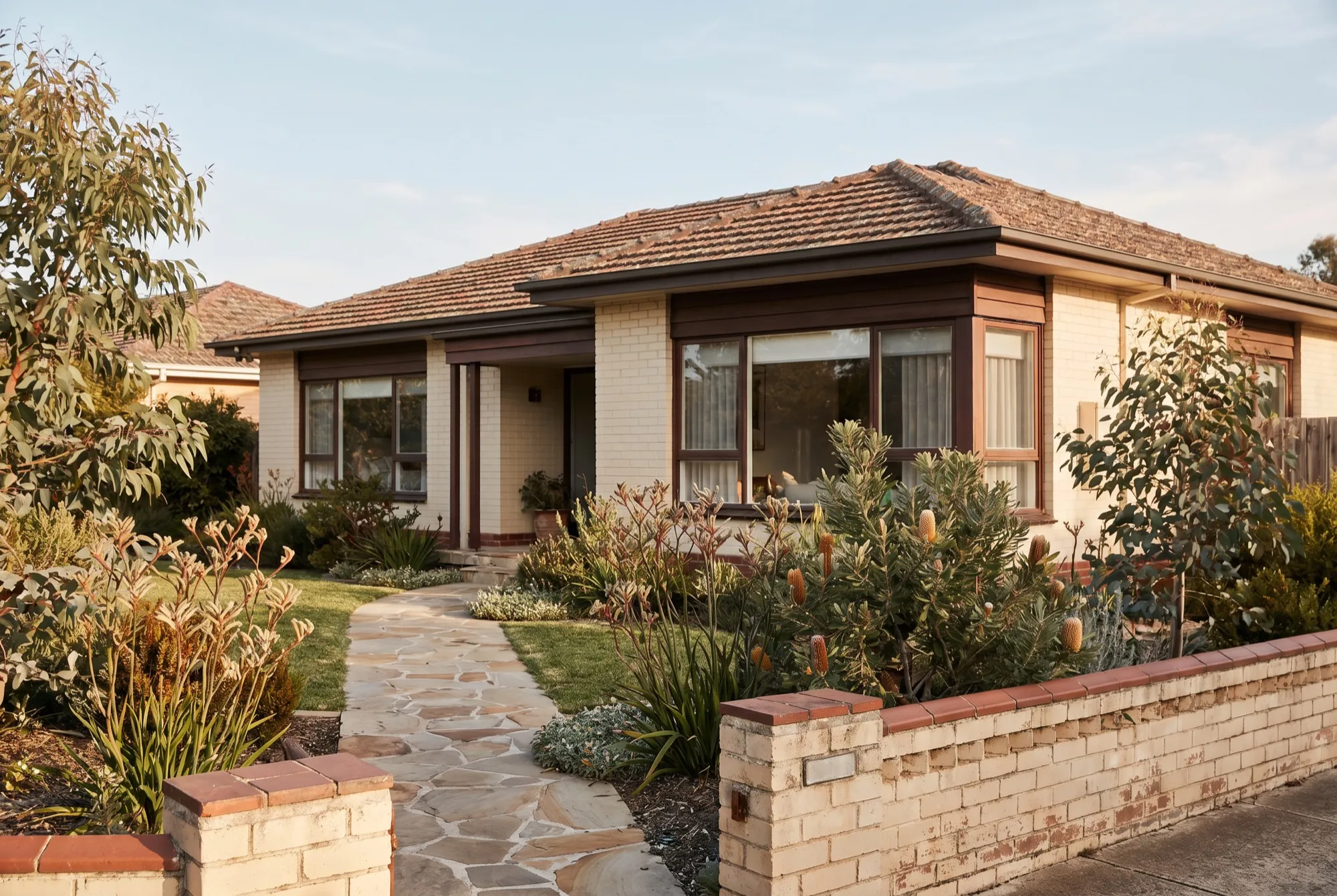
The Queensland First Home Owner Grant is a one-off payment for eligible first home buyers who build or buy a brand-new home, up to a value cap. It does not apply to established homes, and the dollar amount has moved around over the years, so you need to confirm the current figure before you bank on it.
That last point matters more than anything else in this article. Grant amounts, value caps and eligibility rules are political settings, and governments adjust them. So treat the numbers below as a guide to how the scheme works, then check the live figures with the official source before you sign anything. Here is how it all fits together.
What the grant actually is
The First Home Owner Grant (sometimes shortened to FHOG) is a state government payment designed to help first home buyers into newly built property. The key word is new. The grant is aimed at homes that have never been lived in, which in practice means a new build, an off-the-plan apartment, or a substantially renovated home that counts as new for the purposes of the scheme.
If you are buying an established house, the one your aunt sold or the classic Queenslander down the road, the grant is not for you. That trips a lot of people up, because the name suggests it rewards being a first home buyer generally. It does not. It rewards first home buyers who add new housing stock to the market, which is the policy point: the grant is partly a housing supply lever, not just a leg-up.
How much you get
Here is where the hedging earns its keep. The grant amount is not fixed forever. At various points the Queensland Government has set it at one level, then boosted it to encourage building, then stepped it back again. For example, contracts signed within certain defined windows have attracted a boosted amount of $30,000, while contracts outside those windows attracted a lower figure.
What this means for you in practice:
- The amount you qualify for usually depends on the date of your contract, not the date you move in or settle.
- There is a value cap on the property, so a new build above a certain total value will not qualify.
- Both the grant amount and the cap can change between state budgets, so a figure that was correct last year may not be correct today.
Because of that, the single most useful thing you can do is read the current grant amount and cap straight from the Queensland Revenue Office before you commit. Do not rely on a number you saw in a news article, including this one.
Check the grant amount on the date you plan to sign, not the date you started dreaming.
Who is eligible
Eligibility rules vary in detail and change over time, but the broad shape of them has been fairly consistent. To have a reasonable shot at the grant, you generally need to tick boxes like these:
- You are an individual, not a company or trust, and at least one applicant is an Australian citizen or permanent resident.
- You and your co-applicant have not owned a home in Australia before, or have not received this grant previously.
- You are buying or building a brand-new home rather than an established one.
- The home falls under the relevant value cap.
- You will move in within a set period after settlement or completion, and live there for a minimum continuous stretch as your principal place of residence.
That residency requirement catches people who hope to buy a new build purely as an investment. The grant is built for owner-occupiers, so renting it out from day one will usually disqualify you. As always, the fine print is where claims succeed or fail, and the official eligibility checklist is the version that counts.
How it sits with stamp duty concessions
The grant is not the only saving on the table in Queensland. The state also runs first-home transfer duty concessions, commonly called stamp duty concessions, and these are separate from the grant. You may be able to use both, depending on your circumstances and the property.
This is an important distinction. Stamp duty is a tax you would otherwise pay on the transfer of the property, and a first-home concession can reduce or remove it. The grant, by contrast, is cash paid to you. They are different mechanisms with different rules and different thresholds, and qualifying for one does not automatically mean you qualify for the other.
| Feature | First Home Owner Grant | First-home stamp duty concession |
|---|---|---|
| What it is | A one-off cash payment | A reduction in transfer duty |
| Applies to | Brand-new homes only | New and, in many cases, established homes |
| How you benefit | Money paid to you | Tax you avoid paying |
| Value limits | Property value cap applies | Separate thresholds apply |
| Changes over time | Yes, confirm current figure | Yes, confirm current rules |
If you are weighing up a new build against an established home, the concession can shift the maths considerably, because an established home might miss the grant entirely yet still attract a duty concession. It is worth modelling both options before you fall in love with a floor plan. Our broader first home buyer guide walks through how grants, schemes and deposits stack together across Australia.
A worked example, loosely
Say you sign a contract to build a new home in an outer Brisbane suburb, the contract date falls in a window where the boosted grant applies, the build comes in under the value cap, and you intend to live there. In that scenario you could receive the grant, and potentially a stamp duty concession as well, which together could save you a meaningful five-figure sum.
Change one variable and the picture shifts. Buy an established home instead and the grant disappears, though a duty concession might remain. Sign outside the boosted window and the grant amount may be lower. Go over the value cap and you get nothing from the grant at all. This is why the specifics of your contract date, property type and price matter so much, and why a generic answer can only take you so far.
Before you settle on a suburb or a price bracket, it pays to research Queensland suburbs and prices so the value cap does not blindside you late in the process. Stamp duty rules also differ sharply between states, so if you are comparing a move interstate, our explainer on stamp duty in NSW shows just how different the settings can be across the border.
Watch the timing and the paperwork
Two practical traps catch first home buyers more than any others.
The first is timing. Because the grant amount can hinge on your contract date, signing a week early or a week late could change what you receive. If a boosted rate is in play and due to step down, the deadline is real money. Plan around it rather than discovering it afterwards.
The second is paperwork. You typically apply through your lender or financial institution when you arrange your home loan, or directly with the Queensland Revenue Office in some cases. Either way, you need to be eligible at the right time and to supply the right evidence. A missing document can delay payment, which is awkward if you were counting on the grant to land near settlement.
A note on advice and currency of figures
This article is general information only. It is not personal financial, tax or legal advice, and it does not account for your individual circumstances. The dollar amounts, caps and eligibility rules described here are policy settings that change, sometimes at short notice, and the figures referenced were last checked June 2026. Always confirm the current grant amount, value cap and eligibility criteria with the Queensland Revenue Office before you rely on them or sign a contract. For the full buying process from search to settlement, our guide on how to buy a house covers the steps the grant slots into.
The bottom line
The First Home Owner Grant in Queensland is a one-off payment for eligible first home buyers building or buying a brand-new home, not an established one, up to a value cap. The amount has been as high as $30,000 for contracts in defined windows and lower at other times, so the figure that applies to you depends heavily on your contract date and property. Treat it as one piece of the puzzle alongside the separate stamp duty concession, mind the timing, and confirm every number with the Queensland Revenue Office before you commit. Get those right and the grant can take a genuine bite out of the cost of getting in.