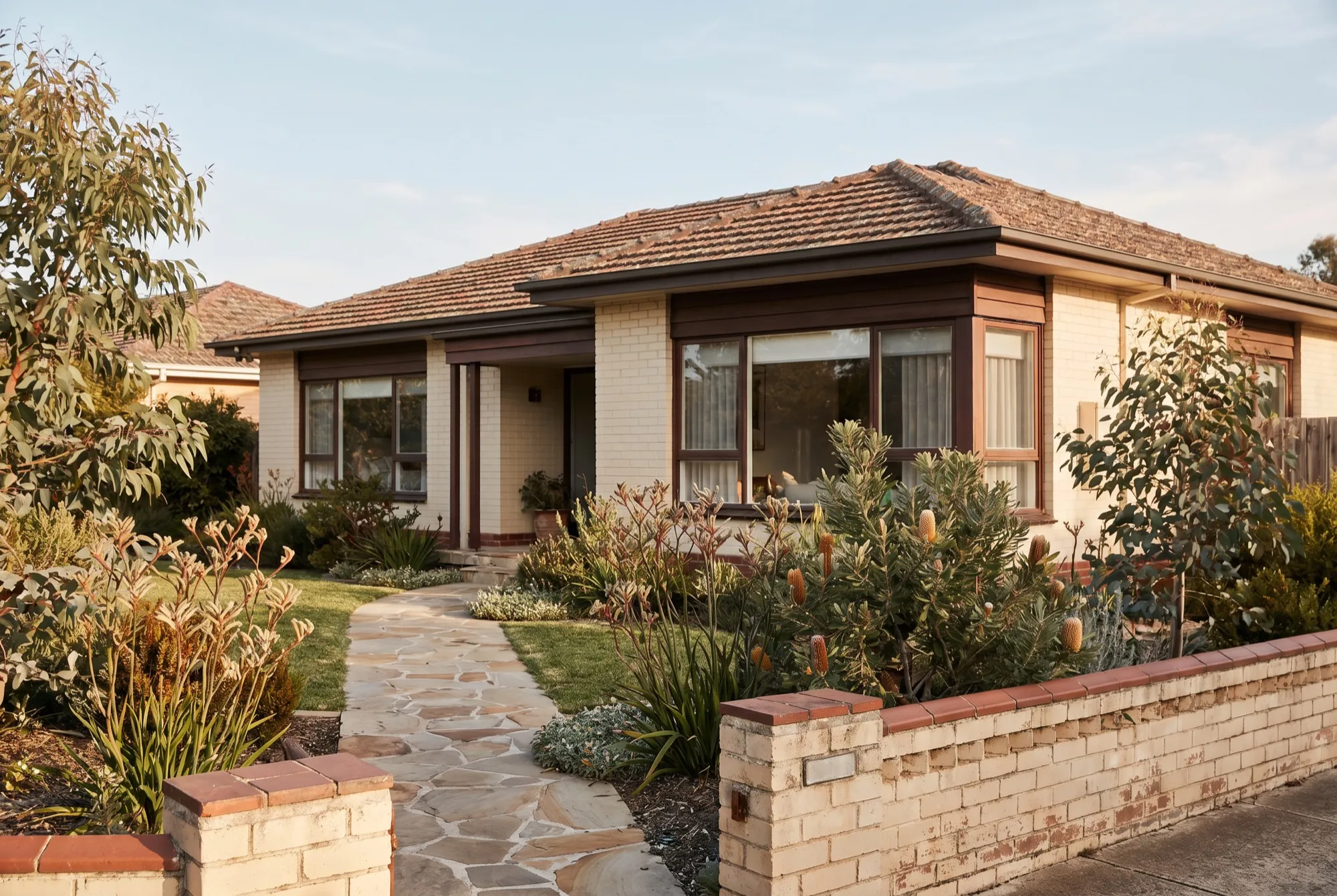
Home insurance in Australia comes in two parts: building cover, which protects the physical structure and is what owners need, and contents cover, which protects your belongings and matters whether you own or rent. Get either sum insured too low and you hit the underinsurance trap, where a payout falls short of what it actually costs to rebuild or replace.
That gap is the thing most people never see coming, so it is worth understanding exactly what each policy does before you tick a box and move on.
Building cover versus contents cover
Building cover pays to repair or rebuild the structure: walls, roof, floors, fixed cabinetry, the garage, often fences and the in-ground pool. If you own the home you live in, this is the non-negotiable bit. Lenders usually insist on it while there is a mortgage.
Contents cover is for the movable stuff: furniture, whitegoods, clothes, electronics, the contents of the shed. Renters only need contents, because the landlord insures the building. If you are on the other side of that arrangement, our guide to landlord insurance walks through how an owner’s policy differs from an owner-occupier one.
Most owner-occupiers buy the two together as a combined “home and contents” policy, which is usually a little cheaper than buying each separately. The bundling does not change the core point: they are two distinct sums insured, and each can be wrong on its own.
The underinsurance trap
Underinsurance is when your sum insured is lower than the real cost of rebuilding or replacing. It is alarmingly common, and the usual cause is a simple mix-up: people insure for the home’s market value rather than its rebuild cost.
Those are different numbers. Market value includes the land, the location and what a buyer would pay. Rebuild cost is what a builder would charge to put the same house back up, including demolition, debris removal, council approvals, professional fees and current labour and materials. In a tight building market those costs have climbed, and a figure you set five years ago may no longer stretch.
The fix is straightforward. Use a building rebuild cost calculator rather than your best guess or the price you paid. Many insurers and industry bodies publish one, and it is the single most useful five minutes you can spend on the policy.
Insure the house for what it costs to rebuild, not for what someone would pay to buy it.
A few habits keep you out of the trap:
- Recalculate your building sum insured every year at renewal, not once at purchase.
- Use a rebuild calculator, and factor in any renovations or extensions you have done since.
- Do a contents stocktake room by room, because the total is almost always higher than people expect once you add up appliances, electronics, tools and clothing.
- Note any cover for the cost of meeting current building codes, since rebuilding to today’s standards can cost more than the original.
- Re-check after major purchases or a renovation, rather than waiting twelve months.
What flood, storm and accidental damage actually mean
This is where policies quietly differ, and where claims get knocked back. The words sound obvious, but the definitions are technical and vary between insurers.
Flood, storm, storm surge and “actions of the sea” are often treated as separate events with separate rules. A standard definition of flood exists across the industry, but whether flood is automatically included, optional, or excluded depends on the policy and sometimes on your address. Storm may be covered while flood is not, and the difference between the two can come down to where the water came from.
Accidental damage is another one to check. A basic policy may cover defined events such as fire, theft and storm, while accidental damage, the wine spilled on the sofa, the foot through the ceiling, is an optional add-on. Do not assume it is in there.
Before you buy, read these in the Product Disclosure Statement:
| Feature | Question to ask | Why it matters |
|---|---|---|
| Flood | Included, optional or excluded at my address? | Often the single biggest coverage gap. |
| Storm and storm surge | Are they defined and covered separately? | Water from above and water from the sea are treated differently. |
| Accidental damage | Standard or an add-on? | Everyday mishaps may not be covered by default. |
| Excess | Standard plus any special excess for some events? | A separate flood or storm excess can be large. |
| Sum insured basis | Total replacement or a fixed sum? | Determines how a shortfall is handled. |
Compare cover and excess, not just price
The cheapest premium is not the cheapest policy if it pays out less or carries a higher excess. The excess is what you contribute to each claim, and some policies stack a standard excess with an extra event-specific one for things like storm or flood. A low headline premium can hide a high excess that bites exactly when you claim.
When you compare, line up the cover and the excess side by side, then look at the premium. A tool that lets you compare home and contents cover across providers is a reasonable starting point, though you should still confirm the detail directly with each insurer before you commit.
Premiums have risen sharply in higher-risk areas, particularly those exposed to flood and bushfire, and in parts of the north. If your renewal has jumped, that is the market repricing risk rather than a mistake. Shopping around helps, but so does understanding why the number moved.
If you are insuring a home you are about to buy, sort the cover before settlement, not after. Our guide to buying property in Australia covers where insurance fits in the settlement timeline so there is no gap on the day the keys change hands.
A note on advice
This is general information only, not personal financial, tax or legal advice, and it does not take your circumstances into account. Insurance products, definitions, inclusions and excesses vary between providers and change over time. All figures and rules here are last checked June 2026. Always read the Product Disclosure Statement and confirm the detail with your insurer or a licensed adviser before you decide.
The bottom line
Home insurance is really two decisions: building cover for the structure and contents cover for your belongings, each with its own sum insured that can quietly fall short. Set the building amount with a rebuild calculator rather than market value, do a proper contents stocktake, and check exactly how flood, storm and accidental damage are defined in your policy. Then compare cover and excess together, not just the premium. Review the lot at every renewal, confirm the specifics with your insurer, and you will have moved well clear of the underinsurance trap.