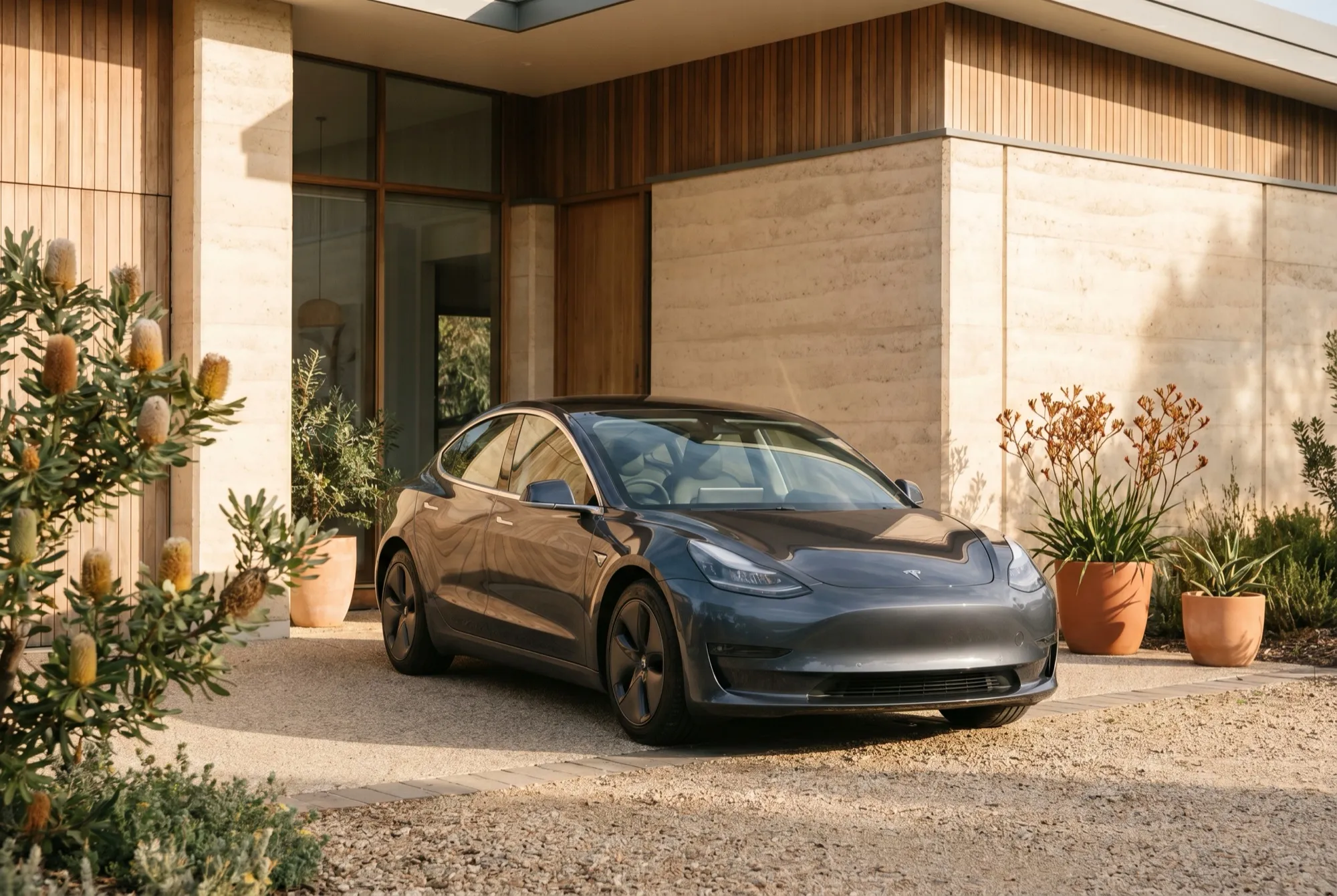
There are five common ways to finance a car in Australia: a secured car loan, an unsecured personal loan, dealer finance, a novated lease through your employer, or simply paying cash. The right choice comes down to your tax position, how quickly you want to own the car outright, and how much fine print you are willing to read.
That last point matters more than most people expect. The sticker rate is the headline, but the comparison rate, the term and any balloon payment quietly decide what the car really costs you. Let us go through each option.
Secured car loan: usually the cheapest borrowing
A secured car loan uses the car itself as security. If you stop paying, the lender can repossess and sell it, which lowers their risk and, in turn, your interest rate. For most buyers financing a newer car, this is the cheapest way to borrow.
The trade-offs are straightforward. Lenders often want the car to be relatively new, sometimes under seven years old at the end of the term, so an older second-hand buy may not qualify. The loan is tied to that specific vehicle, and the lender holds an interest in it until you have paid it off.
Terms usually run three to seven years. Longer terms lower the monthly repayment but raise the total interest, and they raise the odds of owing more than the car is worth partway through. If you are buying used, our guide to a used car loan covers the age limits and inspection quirks that trip people up.
Unsecured personal loan: flexible but dearer
An unsecured personal loan does not use the car as security, so the lender carries more risk and charges a higher rate to match. In exchange you get flexibility. You can buy a private-sale car, a very old car, or a project car that a secured lender would refuse, and the lender generally does not care what you spend the money on.
This is the route for buyers whose car would not pass a secured lender’s age or condition test, or who value not having the vehicle encumbered. Just go in expecting a higher rate than a comparable secured car loan. If you are weighing it up more broadly, our overview of personal loans in Australia walks through rates, terms and what lenders check.
Dealer finance: convenient, not automatically cheap
Dealer finance is the offer that appears across the desk once you have fallen for the car. It is genuinely convenient, you can drive away the same day, and dealers sometimes run sharp promotional rates on specific models.
The catch is that convenience has a price, and the advertised rate is not the whole story. Always ask for the comparison rate, which folds in fees, and read the terms for a balloon payment, a large lump sum due at the end that keeps the monthly figure looking low while leaving you with a bill or a refinance. Dealer finance can be the right answer. It is just rarely the default cheapest one, so it pays to have a competing quote in your pocket before you sit down.
Compare the comparison rate, not the sticker rate, and always check whether a balloon payment is hiding under a tidy monthly figure.
Novated lease: tax-effective for the right buyer
A novated lease is salary packaging for a car. Your employer deducts the lease and running costs from your pay, some of it before tax, which lowers your taxable income. It only works if your employer offers it, and the numbers swing heavily on the car you choose.
For an eligible electric vehicle under the Fringe Benefits Tax exemption, a novated lease can be very tax-effective and often beats a straight car loan. For a petrol or diesel car the case is closer, because Fringe Benefits Tax claws back part of the saving. It is worth modelling properly rather than trusting a glossy quote. Our deep dive on the novated lease in Australia runs the maths on both.
Paying cash: no rate, but think about opportunity cost
Paying cash means no interest, no fees, no lender, and you own the car outright from day one. For many buyers that simplicity is worth a lot, and it removes the risk of owing more than the car is worth.
The thing to weigh is opportunity cost. Money spent on a car is money not sitting in an offset account against your mortgage or invested elsewhere. If your home loan rate is higher than a car loan rate, drawing down savings to buy outright can actually be the smarter move. It is not always cheaper to pay cash, even though it feels that way.
Comparing the five at a glance
The table below sketches the typical shape of each option. Rates and rules move, so treat it as a map, not a quote, and confirm current figures with the lender or provider.
| Option | Typical cost to borrow | Best for |
|---|---|---|
| Secured car loan | Lower rate, car is security | Newer cars, owning it outright |
| Unsecured personal loan | Higher rate, no security | Older or private-sale cars |
| Dealer finance | Varies, check comparison rate | Convenience, the odd sharp promo |
| Novated lease | Tax-effective for eligible EVs | Employees offered salary packaging |
| Cash | No interest, but opportunity cost | Buyers with spare savings |
Whichever way you lean, the discipline is the same. Look past the monthly figure to the comparison rate, the full term and any balloon, then line up two or three quotes side by side. You can compare car finance options to see how the rates and fees stack up before you commit.
What to check before you sign
A short checklist saves real money here:
- Compare the comparison rate, not the advertised rate, because it includes fees.
- Confirm the term, and remember a longer term lowers repayments but raises total interest.
- Check for a balloon payment and decide now how you will cover it.
- Ask about early-repayment, application and ongoing fees.
- For a novated lease, model the after-tax cost for your actual car and salary.
This is general information, not personal financial, tax or legal advice, and figures here were last checked June 2026. Your rate, eligibility and tax outcome depend on your circumstances, so check the current detail with the lender or provider and, for tax questions, the Australian Taxation Office at ato.gov.au or a registered tax agent.
The bottom line
For a newer car you want to own, a secured car loan is usually the cheapest borrowing. For older or private-sale cars, an unsecured personal loan buys flexibility at a higher rate. Dealer finance trades a little cost for convenience, a novated lease shines for eligible EV buyers with salary packaging, and cash wins only after you have weighed the opportunity cost. Compare the comparison rate, the term and the balloon, get a couple of quotes, and the right option tends to pick itself.