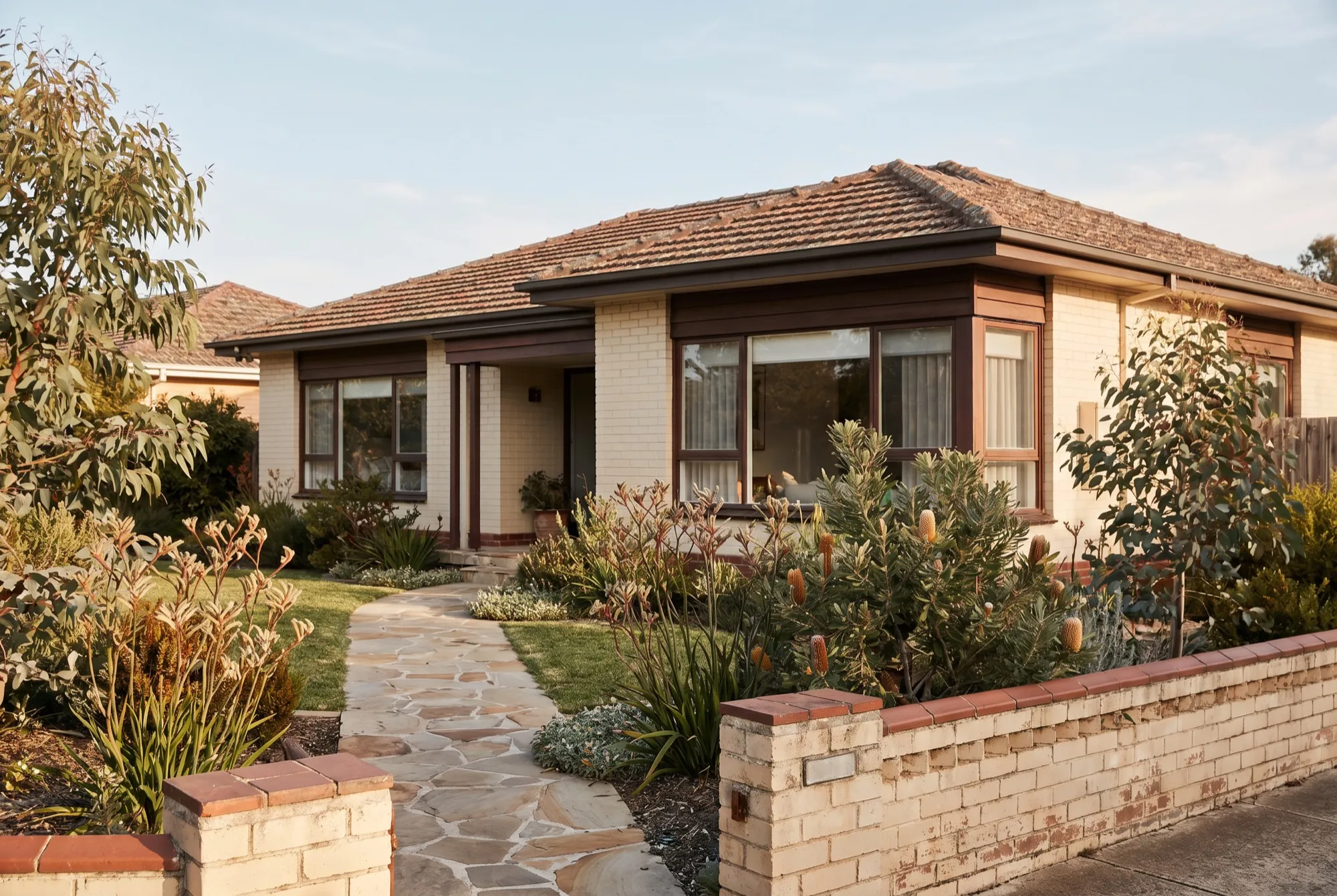
The median dwelling price across Australia’s combined capital cities sits in the high hundreds of thousands of dollars, but the national figure hides an enormous spread: a typical Sydney home costs roughly twice a typical Hobart or Darwin one. The table below sets out indicative median dwelling prices by capital, last checked June 2026.
House prices move every month, so treat these as the latest available picture rather than live figures, and follow the sources for current data.
Median dwelling prices by capital city
| City | Approximate median dwelling price | Notes |
|---|---|---|
| Sydney | Around $1.1 to $1.2 million | The most expensive capital |
| Canberra | Around $840,000 | High for a smaller city |
| Brisbane | Around $800,000 to $850,000 | Strong recent growth |
| Melbourne | Around $780,000 | Large, varied market |
| Adelaide | Around $750,000 | Fast recent growth |
| Perth | Around $750,000 to $800,000 | Strong recent growth |
| Hobart | Around $650,000 to $700,000 | Eased from its peak |
| Darwin | Around $500,000 | The most affordable capital |
Figures are indicative medians for all dwellings (houses and units combined), drawn from property-data providers such as CoreLogic and the Australian Bureau of Statistics. Houses alone sit higher than the all-dwellings median, and units lower.
What the median means for a buyer
The median is the middle of the market, half of homes sold for more, half for less, so it is a useful benchmark but not the price of any particular home. For a buyer, the median drives two numbers that matter: the deposit (a 20 per cent deposit avoids Lenders Mortgage Insurance) and the stamp duty, which on a capital-city home runs well into five figures.
The national median is a headline, not a home. What you actually pay is set by the suburb, the street, and the week you buy in.
Houses versus units, and the suburb effect
The all-dwellings median blends houses and units. In the big cities, house medians can sit hundreds of thousands above unit medians, which is why apartments and townhouses remain the entry point for many first buyers. Within a city, suburbs vary just as widely, so the median is a starting point, not a substitute for checking what a specific home is worth.
Sources and notes
These medians draw on property-data providers including CoreLogic and the Australian Bureau of Statistics, which publish capital-city dwelling values and price indices regularly. The numbers are approximate and move monthly, so check the source for the current figure. This is general information, not financial or property advice.
The bottom line
Where you buy changes the price of getting in by hundreds of thousands of dollars, and the deposit and stamp duty with it. To research current prices and the suburbs behind the medians, a tool like Your Property Guide is a sensible start, then read our complete guide to buying property.