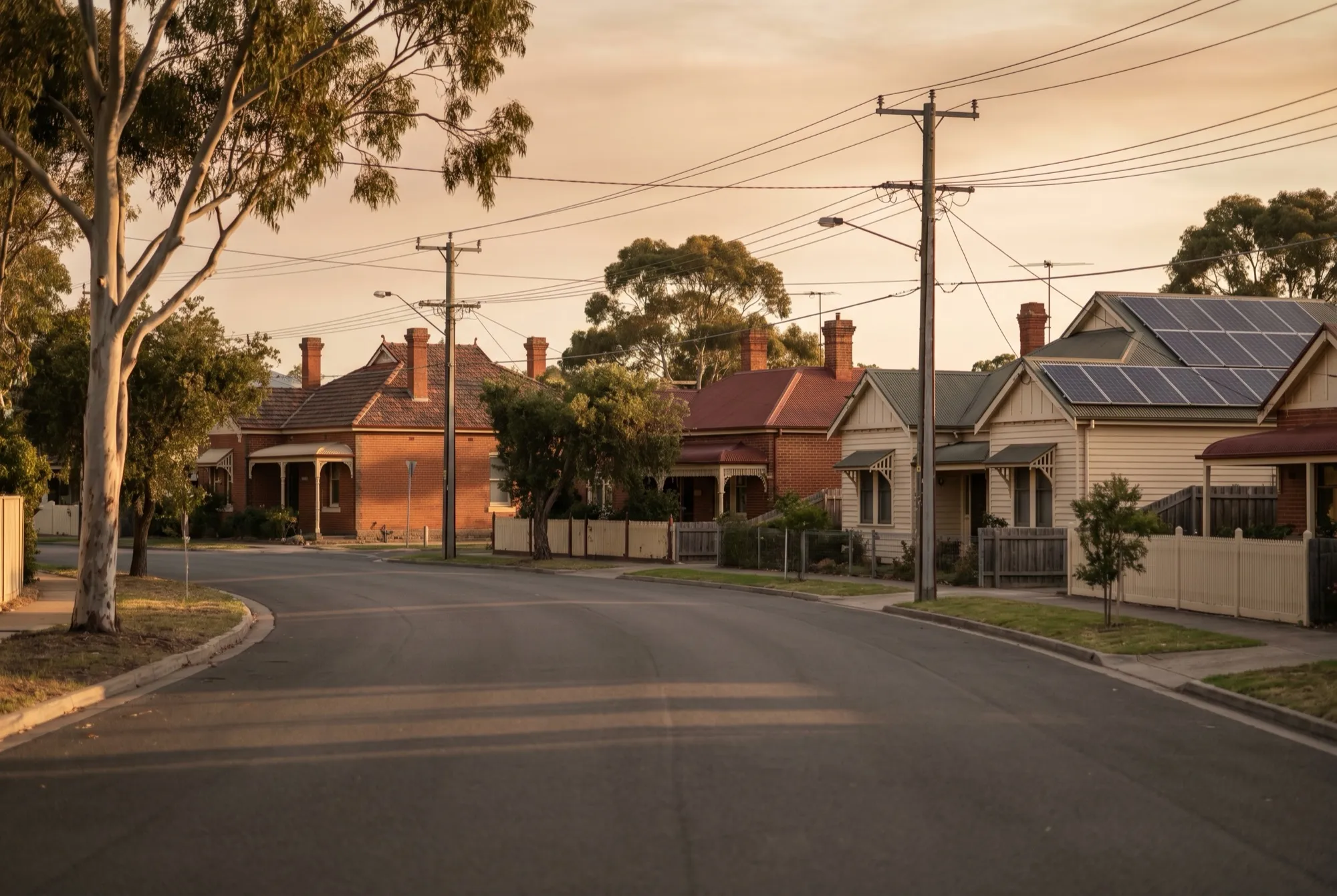
From 1 July 2026, electricity retailers in New South Wales, south-east Queensland and South Australia must offer at least one residential plan that includes around three hours of free electricity in the middle of the day. It is called the Solar Sharer Offer, you do not need rooftop solar to use it, and it is open to renters as well as owners.
The idea is simple. The middle of the day is when rooftop solar floods the grid and wholesale power is at its cheapest, sometimes near zero. Rather than waste that cheap energy, the scheme passes a slice of it back to households as free hours. Below is who can get it, the catches that decide whether it is worth anything, and how to turn a free window into a lower bill.
What the Solar Sharer Offer actually is
The Solar Sharer Offer is a new rule, not a rebate or a one-off credit. Retailers above a certain size in the covered regions are required to put at least one eligible plan on the market, and you choose whether to switch onto it. Nobody is moved automatically.
On a Solar Sharer plan, electricity used inside a set daytime window costs nothing, up to a daily cap. Power you use outside that window is billed as normal. So the value depends entirely on how much of your usage you can move into the free hours, which is the part most coverage skips over.
The free window is reported to sit at roughly 11am to 2pm in New South Wales and south-east Queensland, and around midday to 3pm in South Australia, with a daily cap of about 24 kilowatt hours. Exact times, caps and conditions are set plan by plan, so the only version that counts is the one in the offer document from your own retailer.
Where it starts, and when
The scheme begins on 1 July 2026 in three regions: New South Wales, south-east Queensland and South Australia. Victoria has announced its own version, badged the Midday Power Saver, which is expected to start later in 2026 rather than on 1 July. Regional Queensland, Western Australia, Tasmania and the territories run separate arrangements, so the offer may not reach every postcode at once.
It is also worth separating two different things landing around the same date. The Solar Sharer Offer is one change. The annual reset of regulated default prices is another. If your bigger question is why the headline reference price on your plan moved this month, that is the Default Market Offer at work, and we cover it in our guide to electricity prices from 1 July 2026.
The catches worth knowing
Free is doing some heavy lifting in the headlines, so here are the conditions that decide whether it lands.
- You need a smart meter. The offer relies on the retailer seeing exactly when you use power, interval by interval. No smart meter, no eligibility, at least for now.
- The free power is capped and time-boxed. Roughly three hours a day, up to about 24 kilowatt hours. Run a pool pump and the air conditioning for six hours and only the in-window, under-cap portion is free.
- Everything outside the window is normal price. A Solar Sharer plan can still carry higher rates at other times or a different daily supply charge, so the free block is not automatically a cheaper plan overall.
- It is opt-in. Retailers must offer at least one eligible plan, but you have to choose it. Check that the plan you move to actually suits the rest of your usage, not just the free hours.
Free electricity is only free if you were going to use power in that window anyway, or you can shift your usage to land inside it.
That last point is the whole game. A household that is out all day, with most of its power use at breakfast and after dinner, may get little from three free midday hours. A household that can move the dishwasher, the washing machine, the pool pump or an electric vehicle charge into the middle of the day stands to gain the most.
How to turn free hours into a real saving
The trick is to treat the free window as a target and aim your heaviest, shiftable loads at it:
- Put timers on the big appliances. Set the dishwasher, washing machine, dryer and pool pump to run inside the free window rather than at night.
- Pre-cool the house. Running the air conditioner hard during the free hours can carry you through the expensive late afternoon.
- Charge what you can store. An electric vehicle or a home battery lets you soak up cheap midday energy and spend it at peak, which is why batteries and these daytime plans pair so well. If you are weighing whether the sums stack up, our breakdown of whether solar is worth it in Australia walks through the payback maths.
Before you switch, do the boring comparison. Line the Solar Sharer plan up against your current plan across a full day, not just the free block, and check the rates and supply charge for every other hour. Tools that let you compare energy plans and cut your power bill make it easier to see whether the free hours actually beat what you are on.
A note on figures and where to confirm
The times, the 24 kilowatt hour cap and the regions above are as reported in June 2026 and can change as retailers publish their plans. Treat every number here as a starting point, not a guarantee. For the official rules and the list of participating retailers, check with the Australian Energy Regulator at aer.gov.au and read the offer document from your retailer before you sign.
This article is general information only and is not personal financial, tax or legal advice. Your home, usage pattern and retailer will differ, so weigh the offer against your own bill before switching.
The bottom line
The Solar Sharer Offer hands eligible households in New South Wales, south-east Queensland and South Australia around three free hours of electricity a day from 1 July 2026, capped and tied to a smart meter, and you have to opt in to get it. The headline is genuinely good news, but the saving is only as big as the usage you can move into the free window. Check that the rest of the plan stacks up, point your heaviest appliances at the middle of the day, and the free hours can turn into a real cut to your bill rather than a number on a poster.