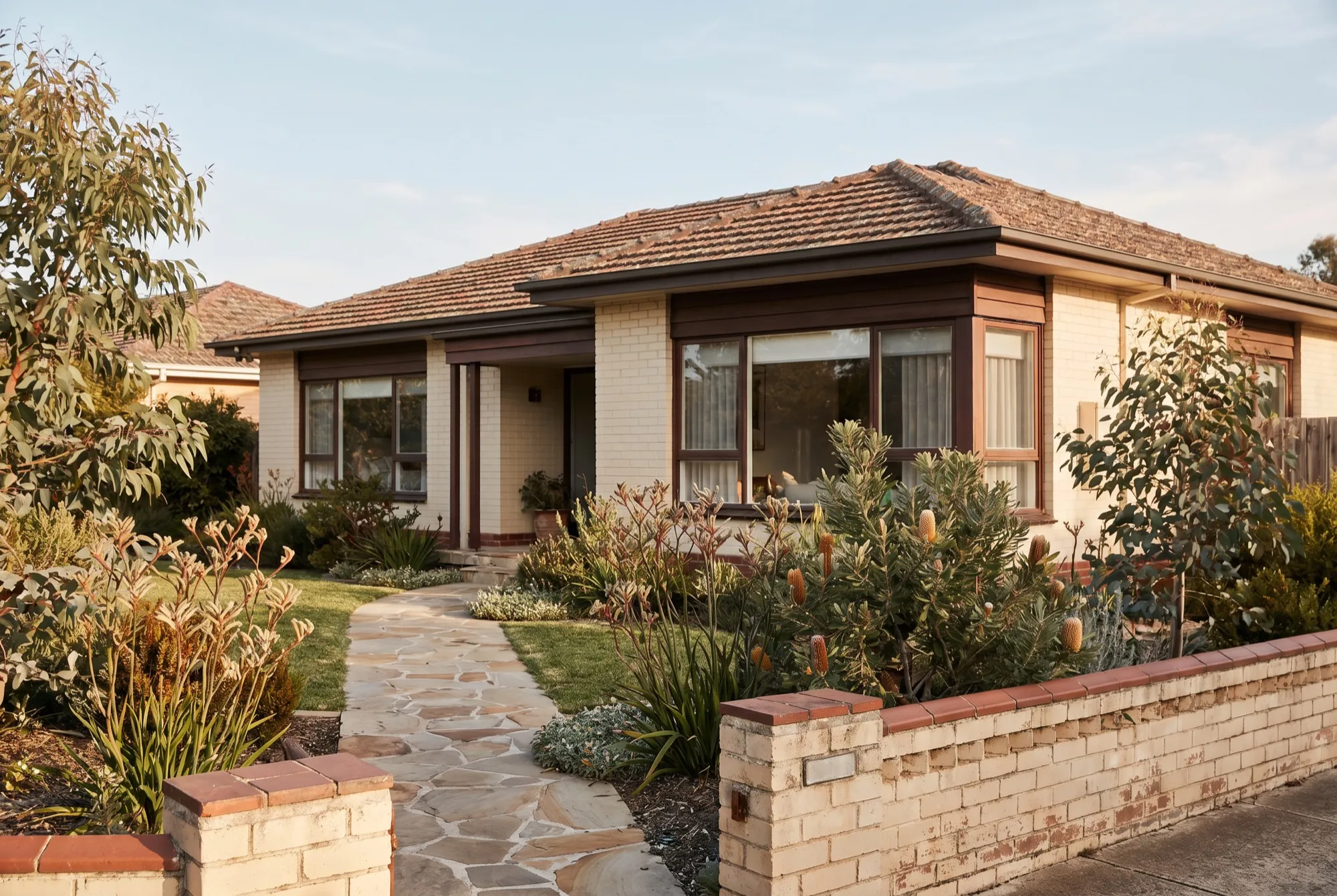
The First Home Guarantee lets eligible first home buyers purchase with as little as a 5% deposit while the government guarantees the gap, so you avoid paying Lenders Mortgage Insurance. That is the whole pitch, and for the right buyer it can shave both years off the saving slog and a sizeable one-off cost off the purchase.
It is not free money, and it does not lower the price of the house. It changes how much deposit your lender will accept without charging you insurance. The rest of the loan still has to be serviced like any other mortgage. Below is how the scheme actually works, who qualifies, and where the fine print bites.
What the First Home Guarantee actually does
The First Home Guarantee sits inside the broader Home Guarantee Scheme administered by Housing Australia. Normally, if you borrow more than 80% of a property’s value, your lender insists on Lenders Mortgage Insurance to protect itself if you default. Under this scheme, the government guarantees up to 15% of the property value instead. You bring the 5% deposit, the guarantee covers the slice that would otherwise trigger insurance, and the lender treats you as if you had a 20% deposit for LMI purposes.
The saving is real. LMI on a modest first purchase can run into the thousands and often tens of thousands, depending on the loan size and the lender. Avoiding it is the single biggest benefit here. If you are still hazy on what that premium covers and why it exists, our LMI explained guide breaks it down.
A few things the scheme does not do. It does not reduce your interest rate. It does not lend you the deposit. And it does not change the bank’s view of whether you can repay the loan. You still need a deposit, genuine savings in most cases, and enough income to service the debt.
Who is eligible
Eligibility is where most applications come undone, so read this part twice. The headline rules, as administered by Housing Australia and current as at June 2026, cover income, property type, deposit size and your status as a buyer.
- You must be an eligible first home buyer, or in some cases a buyer who has not owned property in Australia for a set period. Australian citizens and eligible permanent residents can apply, subject to the current rules.
- Your taxable income must fall under the scheme’s income cap. There are separate caps for singles and for couples or joint applicants.
- The property must sit under the price cap for its location. Caps are higher in capital cities and major regional centres, lower elsewhere, and they are reviewed periodically.
- You need at least a 5% deposit, and the loan must be a standard owner-occupier loan with principal and interest repayments.
- You generally need to move in and live in the property. This is owner-occupier support, not an investor scheme.
The exact dollar figures for income and price caps change, and the number of guarantee places is reset each financial year. Both the caps and the available places have been expanded over time, so do not rely on a figure you saw in an old article, including this one. Confirm the current numbers directly with Housing Australia before you commit to anything.
The places limit, and why timing matters
The scheme is capped by the number of guarantee places released each year, not just by your eligibility. When places run low later in a financial year, otherwise eligible buyers can miss out and have to wait for the next release. This is the part people forget. Being eligible is necessary but not sufficient. There has to be a place available when your loan is ready to settle.
In practice that means lining up your finance before you go hunting, not after. Get your borrowing position clear early, so when a suitable property comes up you can move while a place is still open. Our first home buyer guide walks through the order of operations, from pre-approval to settlement.
A 5% deposit gets you in the door faster, but the loan behind it is just as large as anyone else’s. The scheme helps you start, not finish.
The trade-off nobody markets
Here is the catch the brochures gloss over. A smaller deposit means a bigger loan. Borrow 95% instead of 80% and you are paying interest on a much larger balance for years. Over the life of the loan that extra interest can outweigh the LMI you saved, especially if rates rise. The scheme is genuinely useful, but it is a tool for getting in sooner, not a free lunch.
A smaller deposit also means a thinner equity buffer. If property values dip after you buy, a 95% borrower can find themselves close to owing more than the place is worth, which limits refinancing options until the balance comes down. None of this should scare you off. It just means running the numbers properly rather than treating the 5% headline as the whole story.
Before you fall in love with a listing, it is worth pressure-testing what you can comfortably repay, not just what a lender will approve. A quick way to sanity-check the gap is to work out your borrowing power and compare it against the repayments on a 95% loan at a rate a percentage point or two above today’s. If that figure still sits comfortably inside your budget, you are on solid ground. Our how much can I borrow explainer covers the levers lenders actually pull.
How it stacks with other support
The First Home Guarantee does not exist in a vacuum. Depending on your state or territory, it can sit alongside first home owner grants, stamp duty concessions or exemptions, and other Home Guarantee Scheme streams aimed at regional buyers and single parents. The combinations vary by jurisdiction and change with each budget, so the picture in your state may differ from a friend’s interstate.
The sensible move is to map every concession you might be entitled to before you settle, because some are claimed at purchase and cannot be backdated. A mortgage broker or your state revenue office can confirm what applies to your situation.
| Feature | What it means for you |
|---|---|
| Deposit | As little as 5% of the property value |
| LMI | Waived, because the government guarantees the gap |
| Income cap | Applies, with separate limits for singles and couples |
| Price cap | Applies, and varies by location |
| Places | Limited each financial year, first in best dressed |
| Property use | Owner-occupier only, you must live in it |
The bottom line
The First Home Guarantee is one of the more genuinely useful first home buyer measures going, because it removes a real cost, Lenders Mortgage Insurance, rather than dangling a small grant. If you have a 5% deposit, fit under the income and price caps, and there are places available, it can pull your purchase forward by years.
Just go in clear-eyed. The smaller deposit means a larger loan and a thinner buffer, so the maths needs to work on the repayments, not only on the entry. Income caps, price caps and the number of places all change from year to year, and details can shift with each budget, so treat the figures here as a starting point and confirm the current rules with Housing Australia before you act.
This is general information, not personal financial, tax or legal advice. Figures are last checked June 2026 and change over time. Your circumstances are your own, so speak to a licensed mortgage broker, financial adviser or your state revenue office before making a decision.