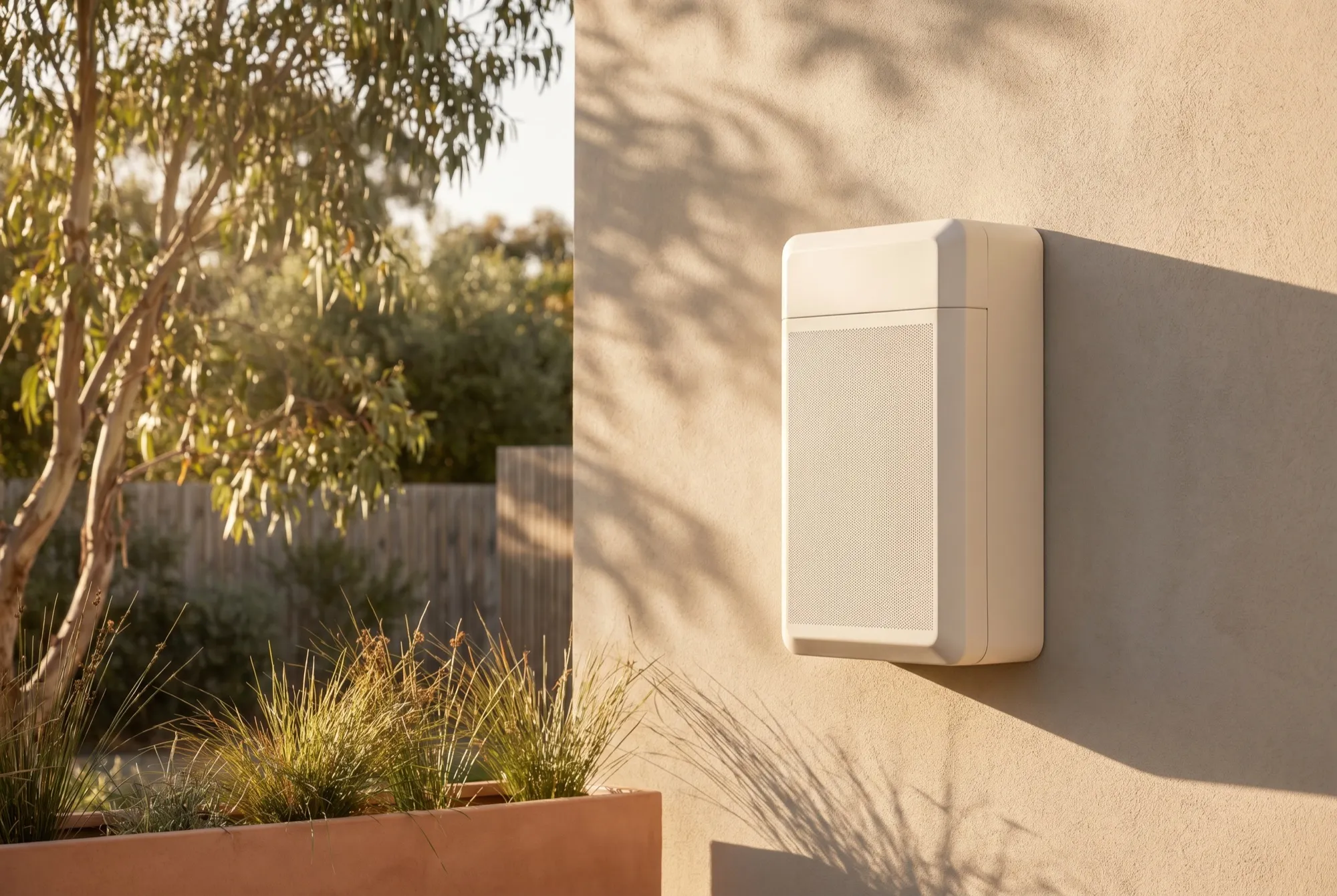
Installing a home EV charger in Australia typically costs around $1,500 to $2,500 all in, covering the wall box itself plus a licensed electrician to run a dedicated circuit. The single biggest swing factor is your switchboard: if it needs upgrading, or the cable run to it is long, you can climb well past that range.
That is the short answer. Now for the detail, because the gap between a tidy $1,500 job and a $4,000 surprise usually comes down to things you can check before anyone quotes you.
What you are actually paying for
A home EV charger install has two parts: the hardware and the labour. The hardware is the wall box, commonly a 7kW single-phase unit, which is the sweet spot for most homes. The labour is a licensed electrician running a dedicated circuit from your switchboard to wherever the car parks.
Here is roughly how the dollars break down, last checked June 2026. Treat these as indicative ranges, not quotes.
| Component | Typical cost | Notes |
|---|---|---|
| 7kW wall box (the unit) | $800 to $1,500 | Smart chargers sit at the higher end |
| Licensed electrician and dedicated circuit | $500 to $1,200 | Depends on cable run and complexity |
| Switchboard upgrade (if needed) | $800 to $2,000+ | Older boards often need it |
| All in, straightforward job | $1,500 to $2,500+ | No board upgrade, short cable run |
The wall box alone is the part people fixate on, but the install labour is where quotes diverge. A garage right next to the switchboard is cheap. A carport at the far end of the block, with a trench to dig, is not.
The hidden cost: your switchboard
If your home was wired decades ago, your switchboard may not have the spare capacity or the safety switches a modern EV circuit needs. An EV draws a steady, heavy load for hours, so electricians are rightly fussy about this.
A board upgrade can add $800 to $2,000 or more, and it is the most common reason a quote balloons. The frustrating part is you often will not know until a sparky inspects it. So when you book a site assessment, ask specifically: does my switchboard need anything, and what would that cost? Get it in writing before you commit.
A few other things nudge the price up:
- Long cable runs from the board to the parking spot, especially if cabling has to go underground or through a wall cavity.
- Three-phase power, which some homes have and which can support faster charging but adds complexity.
- Mounting challenges, like brick walls, heritage constraints or a spot exposed to weather that needs extra protection.
- Load management gear, if your supply is tight and the charger needs to throttle itself when the oven and aircon are running.
Why a smart charger usually pays for itself
The cheapest electricity you will ever put in your car is the power you generate yourself. A smart charger lets you schedule charging for cheap overnight off-peak windows, or better still, soak up your rooftop solar during the day when the sun is doing the work for free.
That scheduling feature is the difference between charging at peak rates and charging at a fraction of the cost. Over a few years of driving, the saving comfortably outweighs the extra you pay for the smart unit over a dumb one. If you are already thinking about your wider energy setup, our guide on how to lower your electricity bill covers the same off-peak logic for the rest of the house.
The car is cheap to fuel only if you control when it charges. A timer is not a luxury, it is the whole point.
Charging from solar and battery
If you have rooftop solar, charging the car from your own panels is the cheapest running cost going, often well below the grid rate. The catch is timing: most people are at work with the car when the sun is highest. A smart charger that ramps up during peak solar hours, or a home battery that stores midday solar for an evening top-up, closes that gap.
Pairing the charger with storage is where the numbers get genuinely interesting. You can pair an EV charger with home storage so the car draws from your battery in the evening rather than the grid. Whether that stacks up financially depends on your usage and your tariff, and it is worth modelling honestly. Our piece on whether a home battery is worth it walks through that maths without the sales gloss.
How to keep the cost down
A few practical moves keep your install at the friendlier end of the range:
- Get the charger mounted as close to the switchboard as is sensible to shorten the cable run.
- Book a proper site assessment first, so the switchboard question is answered before you are committed.
- Get two or three quotes from licensed electricians, ideally ones who install EV chargers regularly.
- Choose a 7kW single-phase unit unless you have a clear reason to go bigger. For most home charging overnight, it is plenty.
- Check whether your state or your energy retailer has any current rebate or incentive, as these come and go.
And the non-negotiable: always use a licensed electrician. This is a high-current circuit feeding an expensive car, and it is not a job for an enthusiastic weekend. A non-compliant install can void warranties and insurance, and create a genuine fire risk.
A note on the figures
This is general information, not personal financial, tax or legal advice. The ranges here are indicative and were last checked June 2026. Prices, rebates and electrical rules change, and your home is its own special case, so confirm the specifics with a licensed electrician and check any rebate directly with your state government or your energy retailer before you budget. Do not treat a number in a table as a quote.
The bottom line
Budget around $1,500 to $2,500 for a straightforward home EV charger install in 2026, knowing the switchboard is the wildcard that can push it higher. Spend on a smart charger so you can chase off-peak and solar pricing, because that is where the real savings live over the life of the car. Get a site assessment, get a couple of quotes, and never skip the licensed sparky. Done right, home charging turns your car into the cheapest thing in the driveway to run.