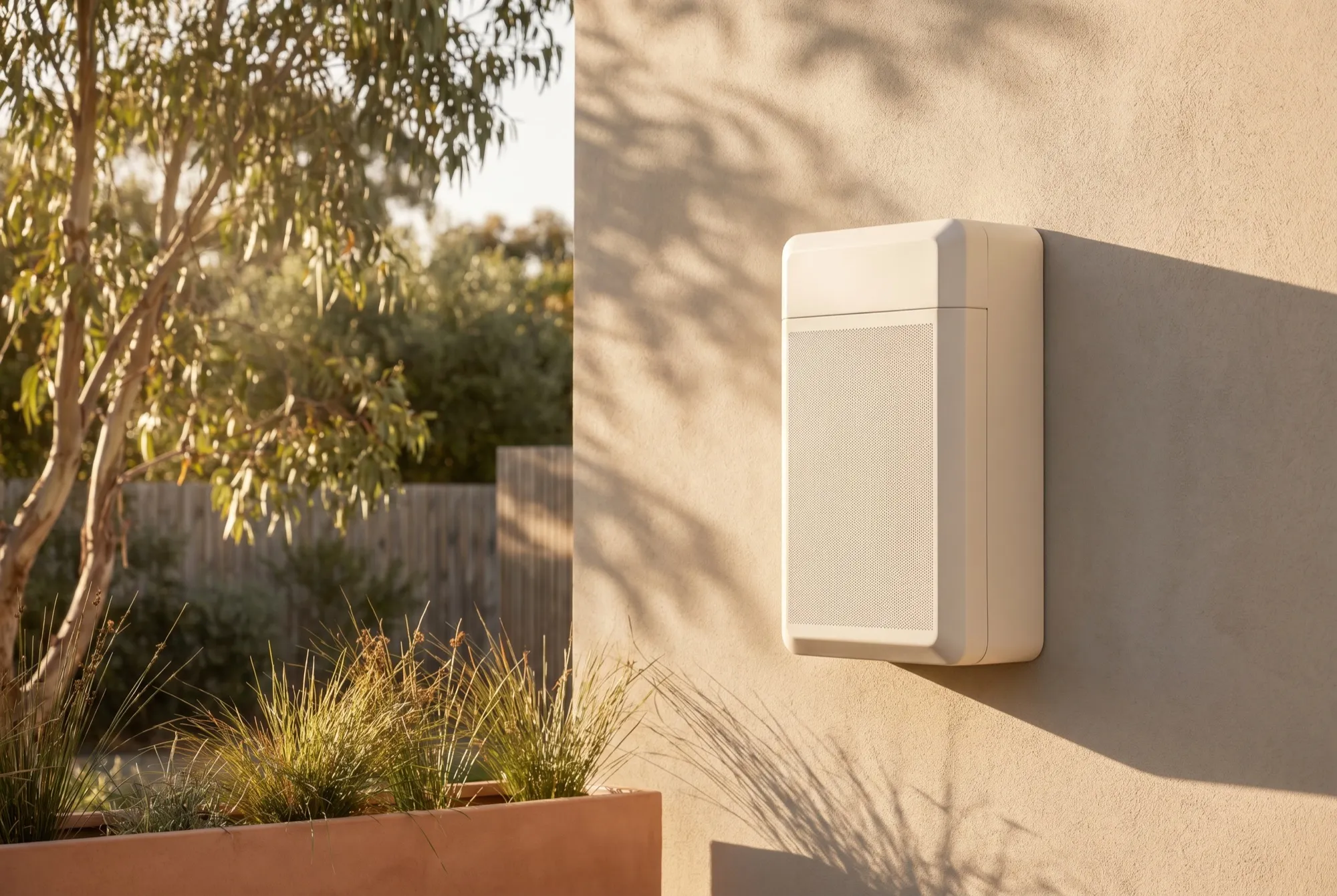
The short answer is that an installed Tesla Powerwall price in Australia commonly lands in the rough range of 12,000 to 16,000 dollars or more before rebates, with the federal Cheaper Home Batteries Program then taking around 30 percent off, and any state incentive stacking on top of that (last checked June 2026). The spread is wide because the sticker on the battery is only part of the job, and the rest depends on your house.
Treat every figure here as approximate. Battery pricing, capacities and rebate rules all move, sometimes quickly, so use these numbers to set expectations and confirm the current ones before you commit.
What you are actually buying
The current unit most people mean is the Powerwall 3, which offers around 13.5 kWh of usable storage with a solar inverter built in (confirm current specs, June 2026). That built-in inverter matters for pricing, because it means a single box can run your solar and your storage rather than needing a separate inverter bolted alongside it. On a fresh solar-and-battery install that can keep the hardware list tidy. On a retrofit to an existing system, it can complicate things, since you may already have an inverter doing that job.
So the “price” you are quoted is never just the battery. It is the unit, the inverter function, the mounting and wiring, the electrical work, the installer’s labour and margin, and whatever your specific site demands.
What moves the number
Two homes on the same street can get quotes that differ by thousands, and it is usually not the installer being cheeky. Here are the main levers, roughly in order of how much they tend to swing the total:
- Backup wiring. A battery does not automatically keep your lights on in a blackout. True backup needs extra hardware and a dedicated circuit so the system can safely island from the grid, and that adds cost. If you want blackout protection, say so up front, because it changes the quote.
- Your switchboard and site. An older board may need upgrading before anything connects. Cable runs, meter location, single versus three-phase supply and whether the installer is working at ground level or up a ladder all feed into the labour line.
- New install versus retrofit. Adding a Powerwall to brand-new solar is generally cleaner than retrofitting onto an ageing system with an inverter that may or may not play nicely.
- Your installer. Quotes vary by company, region and how busy the local market is. The cheapest number is not automatically the best buy, a point we will come back to.
The rebates, and why they matter so much
This is where the headline price and the price you actually pay part ways. The federal Cheaper Home Batteries Program is designed to knock a meaningful chunk, around 30 percent, off the cost of an eligible installed battery (last checked June 2026). On a Powerwall that is a serious discount, and it is the single biggest reason the out-the-door figure can sit well below the gross quote.
Several states and territories also run their own battery incentives, which can sometimes stack on top of the federal support. The combination is what turns a daunting sticker into something closer to reasonable, but eligibility, amounts and stacking rules vary by location and change over time. The cleanest way to see what applies to your address and your quote is to check your Powerwall rebate and quote rather than guess from a national average.
Quote the gross price to feel the sting, then subtract the rebates to see what you will really pay.
For more on how the federal scheme works and the fine print around it, our explainer on the Cheaper Home Batteries Program walks through eligibility and timing in plain English.
A rough cost picture
The table below is a guide to the moving parts, not a quote. Your numbers will differ, and these figures were last checked June 2026.
| Cost element | Rough guide | Notes |
|---|---|---|
| Powerwall hardware and standard install | The bulk of a 12,000 to 16,000+ dollar gross figure | Varies by installer and region |
| Backup wiring (optional) | Often one to two thousand dollars on top | Only if you want blackout protection |
| Switchboard or site upgrades | Site dependent | Older boards may need work first |
| Federal rebate | Around 30 percent off the eligible installed cost | Cheaper Home Batteries Program |
| State or territory incentive | Varies, sometimes stacks | Check what applies to your address |
The honest takeaway: budget from the gross figure, then let the rebates bring it down, rather than the reverse. It is the safer way to avoid a nasty surprise at signing.
Is it worth it at that price?
That depends on how much grid power you burn after sunset, what you pay per kilowatt-hour, and whether you value backup. A battery earns its keep by storing cheap or self-generated midday solar and handing it back in the expensive evening peak, so the more you draw between roughly 4pm and 8am, the faster the maths works in your favour.
Payback is genuinely site specific, and anyone quoting you a tidy national number is rounding hard. If you are weighing the Powerwall against other units, it is worth reading our guide to the best home battery in Australia, because the right answer is a fit for your house, not a brand. The Powerwall is a strong, well-supported option, but it is not the only capable one, and sizing the battery to your actual evening usage matters more than the logo.
Do not buy on price alone
One last caution. With a purchase this size, the installer and the warranty support matter as much as the brand on the wall. A Powerwall is a long-lived bit of kit, and you want the company that fitted it to still be answering the phone in seven years if something needs attention. A slightly higher quote from an experienced, accredited installer who stands behind their work can be far better value than the cheapest number from an outfit you cannot reach later. Check accreditation, read the warranty terms for the exact model, and weigh service alongside the dollar figure.
The bottom line
Expect an installed Tesla Powerwall price in Australia to sit in the rough region of 12,000 to 16,000 dollars or more before rebates, then watch the federal Cheaper Home Batteries Program take around 30 percent off, with state incentives sometimes adding more (last checked June 2026). The big variables are backup wiring, your switchboard and site, whether it is a new install or a retrofit, and which installer you choose. All capacities, prices and rebate rules here are approximate and subject to change, so confirm current figures and eligibility for your address before you sign.
This is general information only, not personal financial, tax or legal advice. Battery prices and government programs change, so check the official program details and get written quotes for your specific situation before deciding.