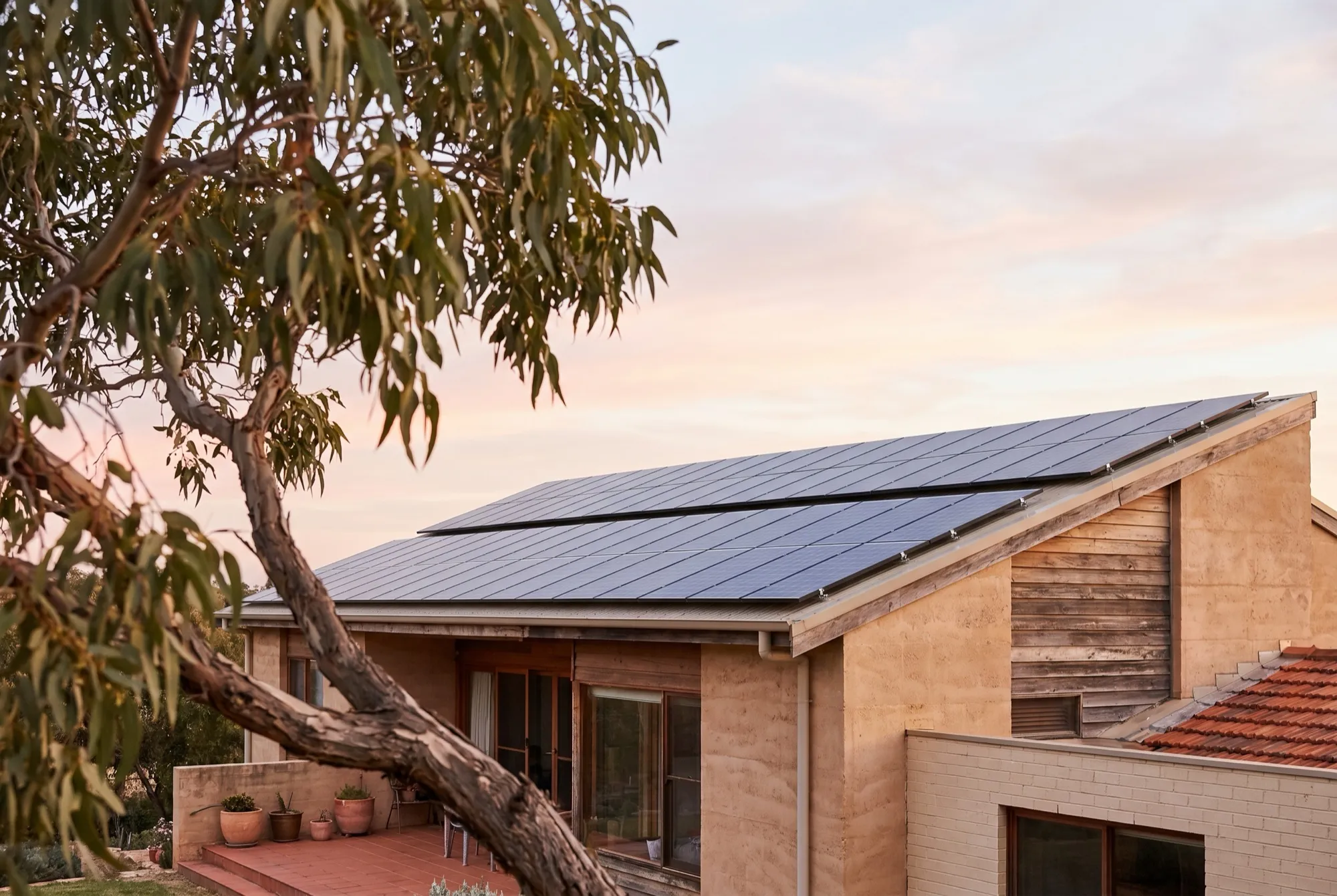
Solar panels in Sydney are one of the better-value home upgrades around, because the city gets strong year-round sun and a typical system pays for itself in a handful of years. A standard 6.6kW system runs roughly $5,000 to $9,000 installed in 2026 after the federal discount, and the savings now come mostly from using your own power rather than selling it back to the grid.
That is the short version. Every dollar figure below was last checked June 2026, and these schemes and prices move around, so treat them as a guide and confirm current numbers before you commit.
What solar panels cost in Sydney in 2026
Sydney pricing is not wildly different from the rest of NSW, but it has its own quirks: dense suburbs, tile roofs, two-storey terraces, and the occasional heritage overlay all nudge the install cost. For most homes the system size, not the postcode, is the main driver.
Here is a rough guide for common system sizes after the federal discount is applied. These are ballpark installed prices for good-quality gear, last checked June 2026.
| System size | Typical installed cost (after STC) | Suits |
|---|---|---|
| 6.6kW | $5,000 to $9,000 | Smaller homes, modest daytime use |
| 10kW | $8,000 to $13,000 | Larger families, pool, ducted air |
| 13kW+ | $11,000 to $18,000 | Big roofs, EV charging, future battery |
Cheaper quotes exist, and so do much dearer ones. A quote well below these ranges usually means budget panels, a no-name inverter, or a thin warranty, and a quote well above them should come with a clear reason, such as a tricky roof or premium components. For a national picture of how the numbers stack up, our guide to solar panel costs across Australia breaks down what each line on a quote actually buys.
The rebates: federal does the heavy lifting
Plenty of Sydneysiders go looking for a “NSW solar rebate” and come away confused. The short answer is that NSW has no broad state cash rebate on the panels themselves. The big discount is federal, and it is real.
- Federal STC discount. The Small-scale Technology Certificate scheme knocks a chunk straight off your invoice based on system size, your postcode, and the years left until the scheme winds down in 2030. Sydney sits in a strong solar zone, so systems here earn a healthy batch. Your installer handles the paperwork and applies it to the quote, so you never wait for a refund.
- NSW battery incentive. The state’s main lever is not panels but batteries, delivered through the Peak Demand Reduction Scheme. If you are weighing storage, this is the one to ask about.
- Feed-in tariffs. These are not a rebate, and they are no longer generous. More on that below.
Because the timing and amounts shift, it is worth reading the detail before you sign. Our explainer on the NSW solar rebate walks through exactly what applies in this state, and the broader solar rebates across Australia guide is handy if you are comparing notes with friends interstate.
Why feed-in tariffs barely move the needle now
For years the pitch was simple: put solar on the roof, export the surplus, and watch the credits roll in. That era is largely over. NSW does not mandate a high feed-in tariff, and IPART, the state’s pricing regulator, now benchmarks it at only a few cents per kilowatt-hour.
In plain terms, the power you send to the grid earns you very little. The power you use yourself, by contrast, offsets electricity you would otherwise buy at full retail rates. That gap is the whole game in 2026.
Solar in Sydney now pays you back through the power you use, not the power you sell.
This changes how you should size and run a system. Shifting heavy loads like the dishwasher, washing machine, and pool pump into daylight hours quietly lifts your return more than chasing a marginally better export rate. If your daytime use is low and your bills are high, that is also the classic case for adding a battery, so the cheap midday power you make is still there at 7pm.
Working out your payback
Payback is the number most people actually care about: how long until the system has paid for itself in bill savings. In Sydney, with strong sun and rising grid prices, a well-matched system often pays back within a handful of years, after which the savings are effectively free for the life of the panels.
The honest answer is that it depends on three things:
- How much you spend up front. A leaner 6.6kW system pays back faster in raw years than a large premium one, even if the bigger system saves more in total.
- How much power you use during the day. Self-consumption is where the value sits, so a household that is home and active in daylight does better than one that is empty until evening.
- Where grid prices go. Rising retail electricity prices shorten payback, because every unit you self-generate avoids a dearer bill. The catch is that nobody can promise where prices land.
Beware quotes that claim a precise payback to the month. Too many variables sit outside anyone’s control for that to be honest. A sensible installer gives you a range and shows their working. If you want to sanity-check the logic before talking to anyone, compare Sydney installer quotes is a reasonable place to see what local pricing and assumptions look like side by side.
How to choose an installer without regrets
The hardware matters, but the install matters more. A good panel fitted poorly is worse than a mid-range panel fitted well, and warranties are only as good as the company still being around to honour them.
A few things worth checking before you sign:
- Accreditation. Use an installer accredited under the current industry scheme. This is non-negotiable, partly because it is tied to your eligibility for the federal discount.
- Trading history. Favour a business that has been trading for years rather than a brand-new outfit chasing rebate volume. Long warranties mean little from a company that may not see them out.
- Export limits. Many Sydney network areas cap how much you can export to the grid, and some are tighter than others. Ask how your proposed system handles the local limit, because it affects sizing and, occasionally, whether you need a battery to make full use of what you generate.
- The quote itself. It should name the exact panel and inverter models, list warranty terms in writing, and show the discount applied. Vagueness is a red flag.
Get at least three quotes for the same system size so you are comparing like with like, and treat the cheapest and the dearest with equal suspicion until you understand why they sit where they do.
A note on advice and figures
This article is general information about solar costs and rebates in Sydney, not personal financial, tax, or legal advice. Your situation, roof, and usage will change the maths. The rebate schemes and feed-in rates described here change frequently, and all figures were last checked June 2026, so confirm the current details with the relevant scheme administrator or your installer, and check the official NSW and federal energy sources before you commit.
The bottom line
Solar panels in Sydney remain a strong call in 2026. The city’s sun is reliable, the federal STC discount meaningfully cuts the up-front cost, and a typical 6.6kW system lands around $5,000 to $9,000 installed. The value has shifted, though: with feed-in tariffs down to a few cents, the win now comes from using your own power and, for some homes, adding a battery. Match the system to how you actually live, pick an accredited installer with a track record, mind the export limits, and the payback tends to take care of itself.