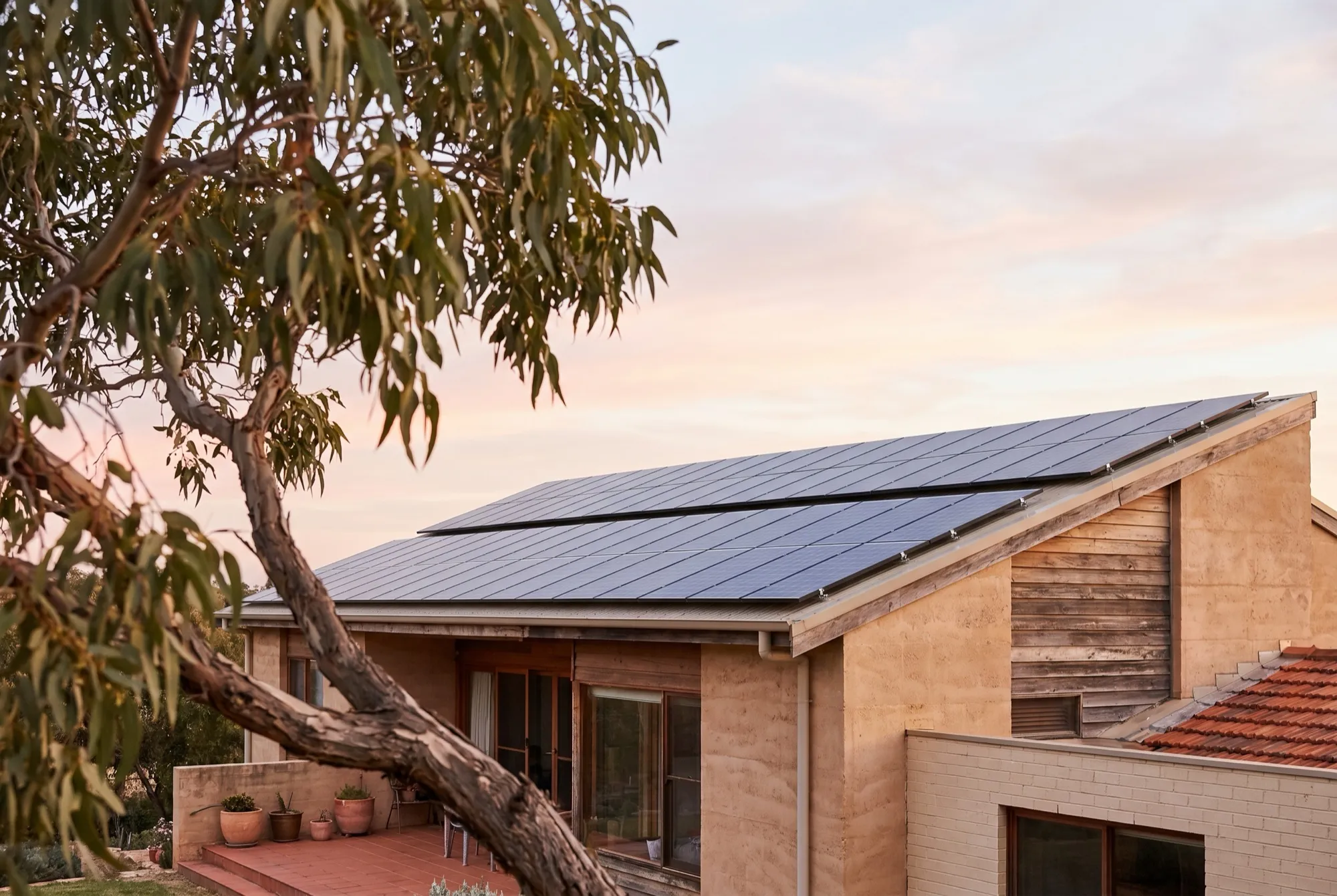
The short version for Brisbane in 2026: a quality 6.6kW rooftop system typically lands around $5,000 to $9,000 installed after the federal panel rebate, and because Brisbane gets some of the best solar irradiance of any Australian capital, the payback is among the fastest in the country. Add cheap panels and generous Queensland roofs, and 10kW or larger systems have become common rather than extravagant.
That is the headline. The detail matters because Queensland plays the rebate game differently from the southern states, and the feed-in side has its own quirks depending on which network you sit on. These figures were last checked June 2026, and solar pricing and policy both move, so confirm the current numbers with your installer and the official sources before you sign anything.
What solar panels cost in Brisbane in 2026
Start with the panels. The federal Small-scale Technology Certificate (STC) rebate is the discount that makes rooftop solar cheap right across Australia, and your installer applies it at the point of sale rather than you claiming it later. On a 6.6kW system it was worth roughly $2,200 to $2,800 in 2025, and it steps down a little each year until the scheme ends in 2030. Brisbane sits in a strong solar zone, so the same panels earn slightly more certificate value here than in the cooler southern capitals.
After that discount comes off, a quality 6.6kW system runs about $5,000 to $9,000 installed in 2026. The spread is wide because it covers everything from entry-level gear to premium panels and inverters, plus the cost of a tricky roof, a long cable run or a switchboard upgrade. If a quote lands dramatically under that range, ask what is being left out, because the cheap number usually hides cheap components or a thin warranty.
The reason bigger systems are now the norm in Brisbane is simple: panels themselves have become so cheap that the cost per kilowatt keeps falling as you scale up, and Queensland homes tend to have the roof space to use it. A 10kW system no longer looks like overkill, especially for a household that runs air conditioning hard through a Brisbane summer.
The rebates: federal heavy lifting, no broad state cash
Here is where Queensland differs from places like Victoria or New South Wales. Queensland has no broad state cash rebate for solar panels. Households rely on the federal layers instead, which means the two discounts doing the work in Brisbane are:
- The federal STC rebate on panels, applied upfront by your installer and worth roughly $2,200 to $2,800 on a 6.6kW system in 2025, winding down to 2030.
- The federal Cheaper Home Batteries Program, which since 1 July 2025 has knocked around 30 per cent off the installed price of a home battery, worth about $330 per usable kWh in 2025 and also tapering each year to 2030.
That is essentially the rebate picture for Brisbane. There is no statewide solar panel grant to layer on top, so the headline price you pay is the post-STC figure, full stop. For the national context behind these layers, our breakdown of solar rebates in Australia explains how each one works and why every one of them shrinks the longer you wait.
The absence of a state cash rebate is not the disadvantage it sounds. Brisbane’s sunshine does the heavy lifting that a rebate would in a cloudier state, and a fast natural payback can matter more than a one-off government cheque. Our wider guide to solar in Queensland digs into how the state’s schemes and networks fit together.
Feed-in tariffs: Ergon versus the south-east market
This is the part that trips up buyers who assume one Queensland rule covers the whole state. It does not. Feed-in tariffs, the rate you are paid for the power you export, work differently depending on where you live.
In regional Queensland, Ergon Energy customers receive a regulated feed-in tariff set each year by the Queensland Competition Authority. It is a single mandated rate, which makes it predictable.
In the south-east, including Brisbane, there is no mandatory feed-in rate. Retailers compete on market offers, so the rate you get depends on which plan you sign and it can change. That means two things for a Brisbane household: shop the feed-in rate as part of the whole electricity deal rather than chasing the highest export number in isolation, and do not assume a quote modelled on a regulated regional tariff reflects what you will actually be paid in the city.
In Brisbane the feed-in rate is a market offer, not a guarantee, so the value of your solar lives in what you use yourself far more than in what you sell.
Feed-in rates across the country have fallen a long way from their early peaks, and Brisbane is no exception. Exporting surplus power is no longer the prize it once was, which steadily tilts the maths towards using your own generation rather than selling it.
The midday export catch
One more local wrinkle that follows directly from all that sunshine. Brisbane and the wider south-east have so much rooftop solar feeding into the grid at the same time that, on sunny days, the network can only absorb so much. The practical results are midday export limits on some new systems and feed-in value that drops to almost nothing in the middle of the day when everyone’s panels are flooding the grid at once.
This is why oversizing your panels purely to sell more midday power can hit a ceiling that makes the extra capacity less useful than a brochure implies. It is also the strongest argument for a battery in Brisbane: storing your cheap, abundant midday surplus to use in the evening, when grid power is dearest and your panels have stopped producing, is where the genuine savings now sit.
How the Brisbane numbers stack up
Here is the rough shape of it for 2026, last checked June 2026. Every figure is a guide, not a quote, and both pricing and policy change.
| Item | Indicative figure (2026) | Notes |
|---|---|---|
| 6.6kW system, installed | ~$5,000 to $9,000 | After the federal STC rebate, applied at sale |
| Federal STC rebate (6.6kW) | ~$2,200 to $2,800 | Steps down yearly to 2030 |
| 10kW+ system | Increasingly common | Cheap panels and generous roofs make scaling up cost-effective |
| State solar panel rebate | None (broad cash) | Queensland relies on federal layers |
| Federal battery rebate | ~30%, about $330/kWh | Cheaper Home Batteries Program, winding down to 2030 |
| Feed-in tariff | Ergon regulated, SE market | Regional rate is set yearly; south-east is a retailer offer |
If you want to sanity-check those panel prices against the national picture, our full guide to solar panel cost in Australia breaks down where the money goes and how system size moves the per-kilowatt price.
Why the installer matters more than the brochure
A reality check that applies everywhere, Brisbane included. More than 700 solar retailers have gone under in Australia since 2011, and roughly one in six systems is now effectively orphaned, meaning the company that installed it no longer exists to honour the warranty. A ten-year workmanship warranty is only as good as the business still standing behind it.
So choose a long-trading, accredited installer, not the cheapest quote from a call centre that may not exist in five years. A good local Brisbane installer will also know your specific network’s export rules and how the south-east feed-in market actually pays, which a national sales team cannot tell you. Comparison services can help here: you can compare Brisbane installer quotes to find an accredited local who understands the regional rules, rather than picking on price alone and hoping for the best.
The bottom line
Brisbane is close to the best place in the country to put solar on a roof. The irradiance is excellent, the federal panel and battery rebates apply just as they do everywhere, and cheap panels plus generous roofs make 10kW and larger systems an easy call. A 6.6kW system around $5,000 to $9,000 after the panel rebate, paying for itself faster than almost anywhere else, is a genuinely strong deal in 2026.
The catches are local rather than financial. Queensland has no broad state cash rebate, so the federal layers do the work. Feed-in tariffs split between Ergon’s regulated regional rate and the competitive south-east market, so the export number on a Brisbane quote is a market offer rather than a promise. And so much midday solar now floods the grid that export value can collapse in the middle of the day, which is exactly when a battery starts to earn its keep. Get a couple of quotes from accredited, long-trading installers, ask them to model the numbers on a real Brisbane feed-in offer rather than a regional tariff, and confirm the current rebate status with the official sources before you commit.
This article is general information only and is not personal financial, tax or legal advice. Figures were last checked June 2026, solar pricing and government programs change, and you should confirm the current details with your installer and the relevant official sources before acting.