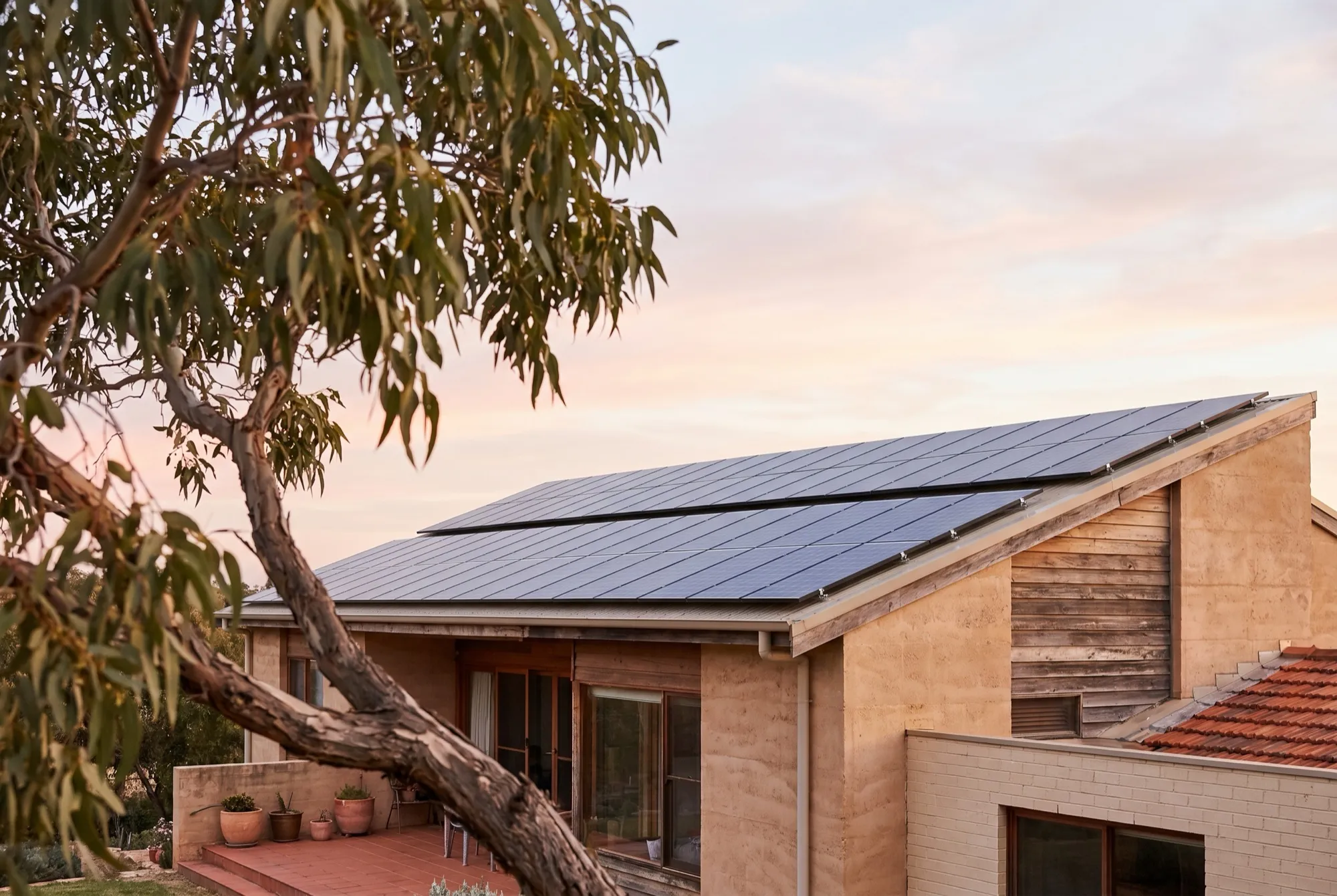
The short version for Darwin and the Northern Territory in 2026: a 6.6kW rooftop system typically lands around $5,000 to $9,000 installed after the federal panel rebate, and the combination of some of the most intense sun in Australia and high local electricity prices makes the payback case excellent. Few places in the country reward a solar roof faster than the Top End.
That is the headline. The detail matters because the NT plays by its own rules on rebates and runs a single government-owned network, and the tropical heat introduces a couple of wrinkles a quote from down south will not flag. These figures were last checked June 2026, and NT schemes move, so confirm the current status with Power and Water and the NT Government before you sign anything.
Why Darwin’s sun makes the maths so good
Darwin sits closer to the equator than any other Australian capital, and the solar resource shows it. The Top End gets long, intense daylight year round, which means a given panel array generates more electricity here than the same panels would in Melbourne or Hobart. More generation per kilowatt means a shorter payback, before a single rebate is counted.
The second half of the equation is what you are replacing. Northern Territory electricity prices are among the higher residential tariffs in the country, so every kilowatt-hour your panels produce offsets a relatively expensive grid unit. Strong output plus a high tariff is the ideal combination for solar, and Darwin has both. For the national context, our breakdown of solar panel cost in Australia walks through what drives the price of a system.
What a system costs in the NT in 2026
Start with the panels. The federal Small-scale Technology Certificate, or STC, rebate is the discount that makes rooftop solar affordable across Australia, and it is applied at the point of sale by your installer rather than claimed later. Darwin sits in the strongest solar zone in the country, so the same panels generate slightly more certificate value here than in the southern capitals.
After that discount comes off, a quality 6.6kW system runs about $5,000 to $9,000 installed in 2026. The spread is wide because it covers everything from entry-level gear to premium panels and inverters, plus the cost of a tricky roof, a cyclone-rated mounting upgrade or a switchboard replacement. Darwin’s wind-loading rules can add to the mounting cost, so a local quote looks a little different from a generic national one. If a quote comes in dramatically under that range, ask what is being left out.
Rebates: the federal layer, and the NT’s own history
The federal STC rebate applies in the Northern Territory exactly as it does everywhere else, and it steps down a little each year until the scheme ends in 2030. On a 6.6kW system it has been worth roughly $2,200 to $2,800 in recent years, applied upfront, so you should see it itemised on the quote.
On top of the national picture, the Northern Territory has at times run its own support for solar and storage, including a Home and Business Battery Scheme that offered a grant towards batteries and compatible inverters. NT programs like this open, close and change their terms more often than the federal scheme, so the most useful thing you can do is check what is live right now rather than relying on a figure you read months ago. Our guide to solar rebates in Australia explains the federal mechanics and why each layer shrinks the longer you wait.
In the Top End the sun does the heavy lifting, so the rebate is the icing, not the cake. Check what the NT is offering this month, but do not let a paused scheme stop a system that already pays for itself on sunshine alone.
Heat, ventilation and sizing in the tropics
Here is the tropical wrinkle most southern guides skip. Solar panels lose a small amount of efficiency as they get hotter, and Darwin is hot for most of the year. The effect is real but modest, and it does not undo the advantage of all that sun, but it does mean a couple of installation details matter more here than they do in a cooler climate.
The fixes are practical. A good installer will mount panels with enough air gap underneath for ventilation, choose gear rated for high ambient temperatures, and build the heat derating into the estimate rather than quoting an idealised output the panels will rarely hit on a Darwin afternoon. Done properly, the heat is a minor adjustment, not a dealbreaker.
The network, and why a local installer matters
The Northern Territory runs a single government-owned electricity network, Power and Water, which owns the poles and wires and sets the connection rules for new solar systems. That means the approval process, any export arrangements and the feed-in terms are all set locally, and they can differ from how things work on the eastern grids.
This is why the installer matters more than the brochure. You want an accredited installer who works in the Top End regularly and knows Power and Water’s current connection and export rules, not a call centre interstate quoting eastern-grid assumptions. A ten-year workmanship warranty is also only as good as the business standing behind it, and orphaned systems left behind by collapsed retailers are a national problem. You can compare Darwin installer quotes and check that whoever you pick is accredited and understands the NT network.
How the NT numbers stack up
Here is the rough shape of it for 2026, last checked June 2026. Every figure is a guide, not a quote, and NT schemes change.
| Item | Indicative figure (2026) | Notes |
|---|---|---|
| 6.6kW system, installed | ~$5,000 to $9,000 | After the federal STC rebate, applied at sale |
| Federal STC rebate (6.6kW) | ~$2,200 to $2,800 | Steps down yearly to 2030 |
| NT battery support | Varies, check current offer | Such as a Home and Business Battery Scheme; opens and closes |
| Network | Power and Water | Government-owned; sets local connection rules |
| Heat derating | Minor output reduction | Manage with ventilation and correct sizing |
The bottom line
Darwin and the Northern Territory are close to the best place in the country to put solar on a roof. The sun is intense and year round, local electricity prices are high, and the federal panel rebate applies just as it does everywhere, so a 6.6kW system around $5,000 to $9,000 after the STC rebate tends to pay for itself faster here than almost anywhere else in Australia.
The local details are worth getting right. The NT has run its own battery support on and off, so check what is live before you assume nothing is on offer. The tropical heat shaves a little off panel output, which good ventilation and honest sizing handle easily. And Power and Water sets the connection rules. This is general information, not personal financial advice, so get a couple of quotes from accredited NT installers and confirm the current rebate status with Power and Water and the NT Government before you commit, because these schemes do not stand still.