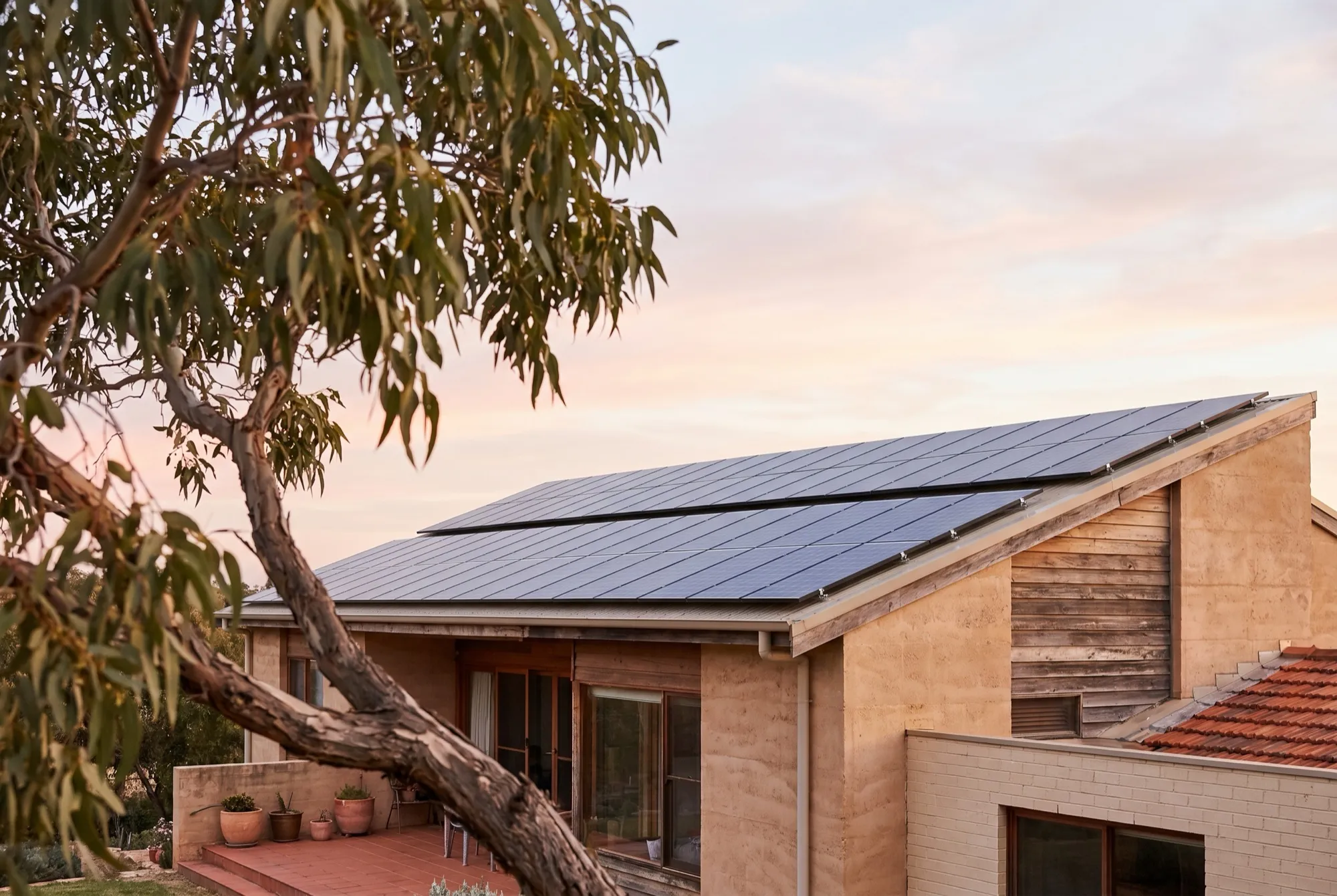
Solar in Newcastle and the Hunter stacks up well in 2026, because the region gets strong year-round sun and a healthy federal discount. A standard 6.6kW system typically lands around $5,000 to $9,000 installed after the federal STC rebate, and the value really climbs once you add a battery and use more of what you generate at home.
That is the short version. All figures below were last checked June 2026, and solar pricing, rebates, and network rules change often, so confirm the current numbers with your installer and the relevant scheme before you sign.
What solar costs in Newcastle right now
The headline price for a quality 6.6kW system in the Hunter sits roughly in the $5,000 to $9,000 band, installed and after the federal discount. The spread is wide for honest reasons: panel and inverter quality, the number of roof planes, whether you are on a single or double-storey home, and how much rewiring the switchboard needs.
Newcastle, Maitland, Lake Macquarie, Cessnock, and the Port Stephens area all sit in a strong solar zone, so a system here generally earns a generous batch of certificates and produces well across the year. A cheaper quote is not automatically a worse one, but be wary of anything that looks dramatically under the band, because that often means budget gear or a thin warranty. For a national view of where these numbers come from, our guide to solar panel cost in Australia breaks the line items down further.
The federal STC discount does the heavy lifting
There is no broad NSW state cash rebate on solar panels, and that surprises people. The big saving here is federal, through the Small-scale Technology Certificate, or STC, scheme. Your system generates a batch of certificates based on its size, your postcode, and the years left until the scheme ends in 2030. Your installer sells those certificates and knocks the proceeds straight off your quote, so you never lodge a form or wait for a refund.
Because the Hunter sits in a high-sunshine zone, a 6.6kW system here earns a solid batch of certificates. The catch is the timer: the certificate count steps down each year toward 2030, so the same panels installed in 2027 will carry a slightly smaller discount than today. If you have been circling a quote, the maths quietly rewards moving sooner rather than later.
In a strong solar zone like the Hunter, the panels are only half the story. What you do with the power decides the payback.
Feed-in tariffs are thin, so self-consumption wins
Here is the part that trips up Hunter households. NSW feed-in tariffs, the rate your retailer pays for surplus power you export to the grid, are now only a few cents per kilowatt-hour. The days of a fat export cheque are gone. That changes the whole game plan.
The value now comes from self-consumption: using your own solar while the sun is up rather than selling it cheaply and buying it back expensively at night. In practice that means running the dishwasher, washing machine, pool pump, and any charging during daylight, and seriously considering a battery to shift cheap daytime energy into the evening peak.
The other local wrinkle is the network. Newcastle and the Hunter are served by Ausgrid and, in parts of the region, Endeavour Energy. Export limits can apply in some areas, meaning the volume you are allowed to push back to the grid is capped. A good installer will check your specific connection and size the system accordingly, rather than promising exports you may not be permitted to make.
Where a battery changes the numbers
Because exports pay so little, a battery is what turns a decent Hunter solar system into a genuinely strong one. NSW does not offer a panel cash rebate, but its main solar-side lever in 2026 is a battery incentive delivered through the Peak Demand Reduction Scheme, or PDRS. In broad terms it can discount an eligible battery and reward you for connecting it to a virtual power plant.
That state incentive can sit alongside the federal battery rebate rather than instead of it, so the two can stack. We walk through how each layer fits together in our explainer on the solar rebate in NSW, which is worth a read before you commit to a battery size. Treat every dollar figure as live and confirm it with the scheme administrator, because battery incentives have moved more than once in the past year.
A simple way to think about the payback
You do not need a spreadsheet to sanity-check a Hunter quote. Walk through it in this order:
- Confirm the system size and price sit inside the $5,000 to $9,000 band for 6.6kW, after the STC discount.
- Check the export limit for your address on the Ausgrid or Endeavour network, so the system is sized to what you can actually use and send.
- Estimate your daytime usage, because the more solar you consume directly, the faster the system pays for itself given thin feed-in rates.
- Decide on a battery only after you know your evening usage, then check whether the federal rebate and the NSW PDRS incentive both apply.
- Compare two or three accredited installers, not just on price but on warranty, panel brand, and after-sales support.
On that last point, it pays to get more than one number in front of you. You can compare Hunter region installer quotes to see how local pricing and gear stack up before you choose.
Choose an accredited installer
This matters more than the brand of panel on the box. To qualify for the federal STC discount, your system must be installed by an accredited professional, and accreditation is also your best signal that the work will pass inspection and the warranties will hold. Ask for the installer’s accreditation details, confirm the panels and inverter are on the approved product lists, and get the warranty terms in writing. A cheap install that voids your rebate or fails a network sign-off is no bargain.
The bottom line
Newcastle and the Hunter are a good place to go solar in 2026: strong sun, a healthy federal discount, and a 6.6kW system landing around $5,000 to $9,000 installed. With feed-in tariffs now only a few cents, the smart play is to use more of your own power and weigh up a battery, where a federal rebate and the NSW PDRS incentive can stack. Get a couple of quotes from accredited installers, check your network’s export limit, and confirm every figure before you sign, because prices and rules shift through the year.
This is general information, not personal financial, legal, or procurement advice. Figures were last checked June 2026 and change regularly. Check current costs and scheme rules with your installer, your network, and the relevant official source before acting.